
What Is Cotton Candy Cake?
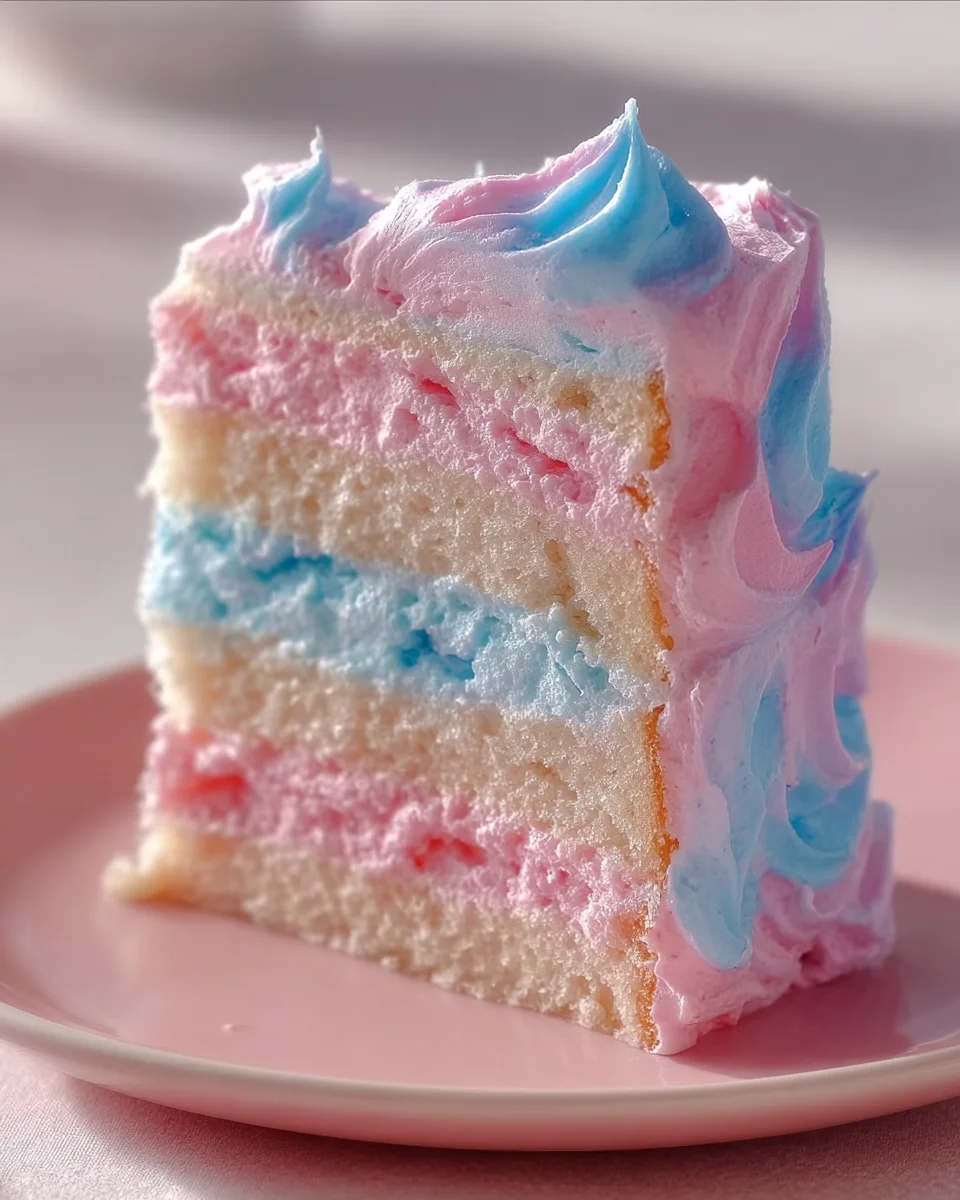
Cotton candy cake isn’t just a dessert—it’s an experience wrapped in soft pastel colors and nostalgic flavors that instantly take you back to carnivals, fairs, and carefree childhood days. Imagine slicing into a fluffy, moist cake that looks like a dreamy swirl of pinks and blues, only to taste that unmistakable sweet, airy flavor of cotton candy. That’s exactly what makes this cake so irresistible. It’s not just about sugar; it’s about creating a moment, a vibe, a little escape from everyday life.
At its core, cotton candy cake is a vanilla-based cake infused with cotton candy flavoring and often enhanced with vibrant food coloring to mimic the look of spun sugar. The texture is typically light and soft, almost cloud-like, which perfectly complements the theme. Bakers often pair it with a rich buttercream or whipped frosting flavored to match, creating a cohesive taste that feels both indulgent and playful.
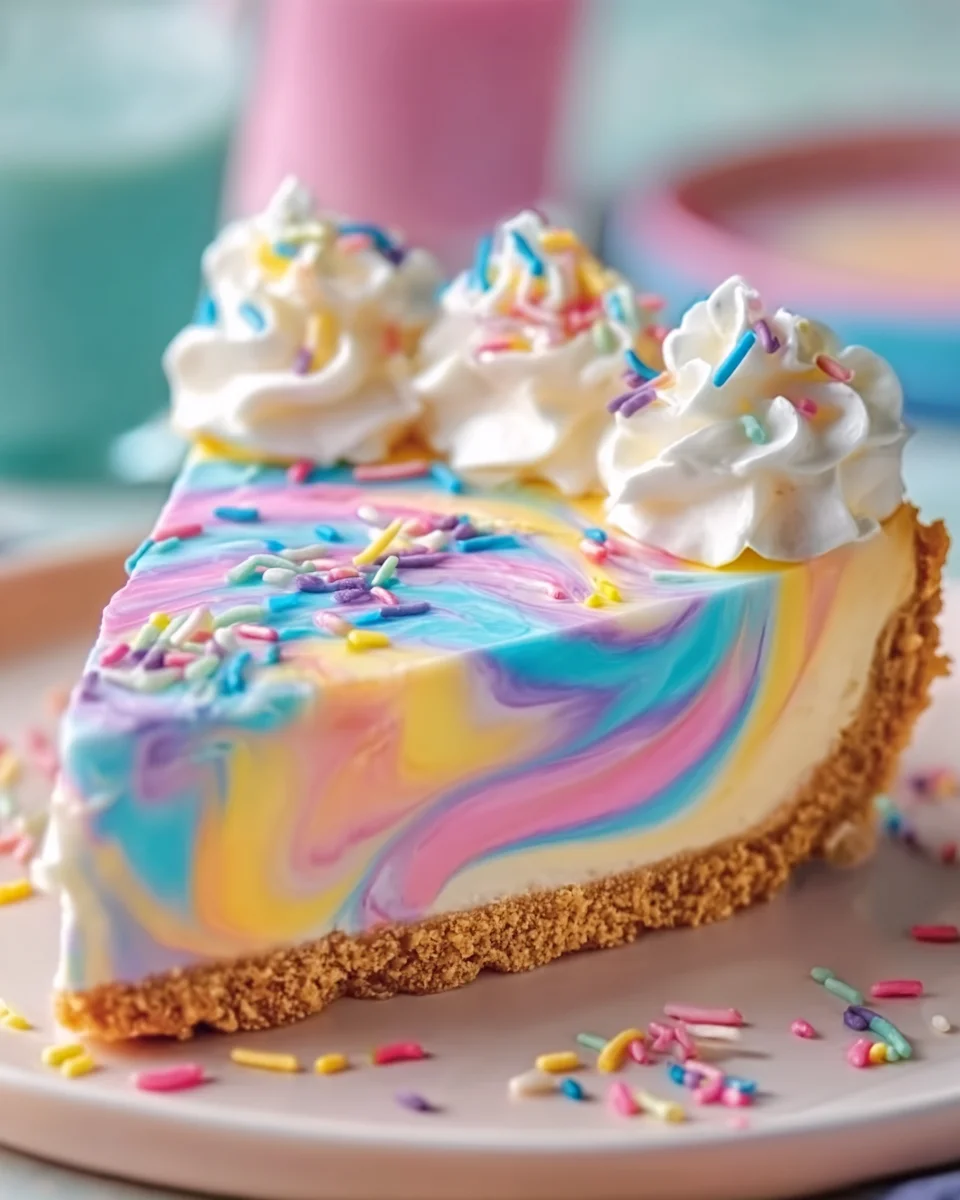
What really sets this cake apart is its visual appeal. You’re not just baking—you’re painting with batter. Swirls of pastel colors create a marbled effect that feels almost too pretty to eat. And yet, once you take that first bite, the sweetness and softness pull you right in.
The Inspiration Behind Cotton Candy Flavors
Cotton candy itself has a fascinating history, dating back to the late 19th century when it was first introduced as “fairy floss.” The idea of turning sugar into delicate, airy strands was revolutionary at the time, and it quickly became a staple at carnivals and amusement parks. That same magical quality is what inspired bakers to recreate the flavor in cake form.
The flavor profile of cotton candy is surprisingly complex. While it’s primarily sweet, it often carries subtle hints of vanilla, caramelized sugar, and sometimes even a slight fruity undertone depending on the coloring. This layered sweetness makes it perfect for desserts, as it doesn’t feel one-dimensional.
When bakers started experimenting with cotton candy flavoring, they realized it could transform a simple vanilla cake into something much more exciting. By adding just a few drops of cotton candy extract, the entire personality of the cake changes. It becomes whimsical, nostalgic, and undeniably fun.
Why This Cake Is Trending
Scroll through social media, and you’ll quickly notice that cotton candy cake is everywhere. From TikTok baking videos to Pinterest boards filled with pastel desserts, this cake has become a viral sensation. But why? What makes it stand out in a world already full of elaborate cakes?
One major reason is its aesthetic appeal. In today’s digital age, people love sharing visually stunning food, and cotton candy cake delivers exactly that. The soft pastel swirls, fluffy frosting, and sometimes even actual cotton candy toppings make it incredibly photogenic. It’s the kind of dessert that stops people mid-scroll.
Another factor is its versatility. You can keep it simple with a basic layered cake or go all out with multi-tiered designs, edible glitter, and creative decorations. It adapts to different skill levels, making it accessible to beginners while still offering plenty of room for advanced bakers to get creative.
There’s also a growing trend toward nostalgic foods—desserts that remind people of simpler times. Cotton candy cake taps directly into that भावना (feeling), offering comfort and joy in every bite. It’s not just about taste; it’s about the story behind it.
Ingredients You’ll Need for Cotton Candy Cake
Before diving into the baking process, it’s important to understand the role each ingredient plays in creating that perfect cotton candy cake. While the ingredient list might look simple at first glance, each component contributes to the final texture, flavor, and overall experience of the cake.
Essential Dry Ingredients
The foundation of any great cake starts with its dry ingredients, and cotton candy cake is no exception. Flour, baking powder, and salt might seem basic, but they’re the backbone of your batter. The type of flour you use, for instance, can significantly impact the texture. All-purpose flour is commonly used because it strikes a balance between softness and structure, giving your cake that light yet sturdy crumb.
Baking powder acts as the leavening agent, helping the cake rise and become fluffy. Without it, you’d end up with a dense, flat dessert that lacks that airy, cloud-like quality cotton candy cake is known for. The key here is to measure it accurately—too much can cause the cake to rise too quickly and then collapse, while too little will leave it heavy.
Salt might seem like a minor addition, but it plays a crucial role in enhancing flavor. It balances out the sweetness and brings out the subtle notes in the cotton candy flavoring. Think of it as the quiet hero of your ingredient list—it doesn’t steal the spotlight, but it makes everything else shine.
When combined properly, these dry ingredients create the perfect base for your cake. They ensure that every bite is soft, balanced, and structurally sound, setting the stage for the more exciting flavors to come.
Wet Ingredients That Bring It to Life
Now let’s talk about the real magic-makers—the wet ingredients. This is where your cotton candy cake transforms from a simple mixture of flour into something rich, moist, and full of personality. Eggs, milk, sugar, butter, and vanilla extract are the core players here, and each one has a specific role that directly impacts the final outcome of your cake.
Eggs act as both a binder and a structure builder. They help hold everything together while also contributing to the cake’s lightness when beaten properly. If you’ve ever wondered why some cakes feel airy while others feel dense, the way eggs are incorporated is often the reason. Room-temperature eggs work best because they blend more smoothly into the batter, creating a uniform texture.
Milk adds moisture and helps dissolve the sugar, ensuring that every bite is soft and tender. Whole milk is usually preferred because of its fat content, which enhances richness, but you can experiment with alternatives like almond or oat milk if needed. Butter, on the other hand, is all about flavor. It gives the cake that classic, comforting taste while also contributing to a soft crumb. When creamed with sugar, it creates tiny air pockets that help the cake rise beautifully in the oven.
Speaking of sugar, it’s not just there for sweetness. It also affects the texture by keeping the cake moist and tender. Combine that with a splash of vanilla extract, and you’ve got a base flavor that pairs perfectly with the cotton candy essence.
When these wet ingredients come together, they create a smooth, luscious batter that feels almost like silk. That’s when you know you’re on the right track.
Flavoring and Coloring Tips
Here’s where the fun really begins. Cotton candy cake isn’t just about taste—it’s about creating a visual and sensory experience. To achieve that signature flavor, cotton candy extract or flavoring is essential. Just a small amount can completely transform your batter, giving it that nostalgic sweetness that instantly reminds you of fairs and carnivals.
But flavor alone isn’t enough. The iconic look of cotton candy cake comes from its pastel colors—usually pink and blue. Gel food coloring works best because it’s more concentrated than liquid coloring, allowing you to achieve vibrant hues without thinning out your batter. The trick is to divide your batter evenly and color each portion separately before gently swirling them together.
Don’t overmix when combining the colors, though. You want distinct swirls, not a fully blended shade. Think of it like creating a watercolor painting—soft, flowing, and slightly unpredictable.
Another tip? Add a tiny drop of complementary flavors like strawberry or raspberry to the pink batter and a hint of blueberry to the blue. It’s subtle, but it adds depth and makes the cake even more interesting.
Step-by-Step Guide to Making Cotton Candy Cake
Baking a cotton candy cake might look complicated, but once you break it down into steps, it becomes surprisingly manageable. The key is to take your time and enjoy the process.
Preparing Your Baking Tools
Before you even think about mixing ingredients, set yourself up for success by preparing your tools. Preheat your oven to 350°F (175°C) so it’s ready when your batter is. Grease and line your cake pans with parchment paper to prevent sticking—this step might seem small, but it can save you from a lot of frustration later.
Make sure you have mixing bowls, a hand or stand mixer, measuring cups, and spatulas within reach. Baking is all about timing, so having everything ready beforehand keeps things smooth and stress-free.
Mixing the Batter Properly
Start by whisking your dry ingredients together in one bowl. This ensures that the baking powder and salt are evenly distributed, which helps the cake rise uniformly. In another bowl, cream the butter and sugar until light and fluffy. This step is crucial because it incorporates air into the batter, giving your cake that soft texture.
Add the eggs one at a time, mixing well after each addition. Then pour in the milk, vanilla extract, and cotton candy flavoring. Gradually combine the dry ingredients with the wet mixture, stirring gently until just combined.
This is where many people go wrong—they overmix. Overmixing can develop gluten in the flour, leading to a dense cake. So keep it gentle. Once your batter is smooth, divide and color it as discussed earlier.
Baking Tips for a Perfect Texture
Pour the colored batter into your prepared pans, alternating colors to create a marbled effect. Use a skewer or knife to gently swirl the colors together. Place the pans in the oven and bake for 25–30 minutes.
Avoid opening the oven door too often, as this can cause temperature fluctuations that affect the cake’s rise. You’ll know it’s done when a toothpick inserted into the center comes out clean.
Cooling and Layering Techniques
Once baked, let the cakes cool in their pans for about 10 minutes before transferring them to a wire rack. Cooling completely is essential before frosting—otherwise, your frosting will melt and slide off.
If you’re making a layered cake, level the tops using a serrated knife for even stacking. This small step makes a big difference in the final presentation.
How to Make Cotton Candy Frosting
No cotton candy cake is complete without a dreamy, flavorful frosting that ties everything together.
Buttercream vs Whipped Frosting
Buttercream is the most popular choice because it’s rich, stable, and easy to flavor. It holds its shape well, making it ideal for decorating. Whipped frosting, on the other hand, is lighter and less sweet, offering a more delicate finish.
If you want a classic, bakery-style cake, go with buttercream. If you prefer something less heavy, whipped frosting might be your best bet.
Achieving the Cotton Candy Flavor
To get that signature taste, simply add cotton candy flavoring to your frosting base. Start with a small amount and adjust to taste—it’s better to build up the flavor than to overpower it.
Divide your frosting and color it just like your batter. Then, when frosting the cake, use a spatula to blend the colors gently, creating that signature pastel swirl effect.
Decorating Your Cotton Candy Cake Like a Pro
Once your cake is baked and your frosting is ready, this is where your creativity really gets to shine. Decorating a cotton candy cake isn’t just about making it look pretty—it’s about creating that “wow” moment when someone first sees it. You want it to feel whimsical, almost magical, like it belongs at a carnival or a dreamy celebration.
Color Blending Techniques
The signature look of a cotton candy cake comes from its soft, blended pastel colors. Achieving this effect might look complicated, but it’s actually quite approachable once you understand the technique. Start by applying a thin crumb coat over your cake. This first layer locks in crumbs and creates a smooth base for your final frosting. Chill the cake for about 15–20 minutes so the crumb coat sets properly.
Now comes the fun part—adding color. Take small portions of your pink and blue frosting and randomly place them around the cake. Don’t overthink it; the beauty of this design lies in its imperfect, dreamy swirls. Using an offset spatula or a bench scraper, gently smooth the frosting while rotating the cake. As you do this, the colors will naturally blend into each other, creating that soft, cloud-like effect.
If you want to elevate the look, you can add a subtle ombré effect by concentrating one color more heavily at the bottom and gradually blending it upward. It creates depth and makes the cake feel more dynamic. Some bakers even add a touch of purple where the pink and blue meet, giving it a more vibrant, galaxy-like appearance.
The key here is restraint. Overmixing the colors can turn your beautiful pastel palette into a muddy shade, so keep your movements light and minimal. Think of it like painting on a canvas—sometimes less really is more.
Adding Real Cotton Candy Safely
Now, let’s talk about the showstopper—real cotton candy on top of your cake. It’s eye-catching, playful, and instantly recognizable, but it does come with a small challenge: cotton candy melts quickly when exposed to moisture.
To avoid this, always add cotton candy right before serving. If you place it too early, it can dissolve into the frosting and lose its fluffy texture. Tear off small tufts and gently place them on top of the cake or around the edges for a balanced look. You can also use decorative toppers or skewers to hold the cotton candy slightly above the cake, reducing direct contact with the frosting.
Another creative idea is to pair cotton candy with other decorations like sprinkles, edible glitter, or even small candies. This adds texture and makes the cake even more visually appealing. Just be careful not to overcrowd the design—you still want the soft, airy theme to come through.
Common Mistakes to Avoid
Even though cotton candy cake is fun to make, there are a few common pitfalls that can affect the final result. Knowing what to watch out for can save you time, ingredients, and a bit of frustration.
Overmixing and Texture Issues
One of the biggest mistakes in cake baking is overmixing the batter. It’s tempting to keep stirring until everything looks perfectly smooth, but this can actually work against you. Overmixing develops gluten in the flour, which leads to a dense and chewy texture—definitely not what you want for a light, fluffy cotton candy cake.
Instead, mix your ingredients just until they’re combined. A few small lumps are perfectly fine and will usually disappear during baking. Pay special attention when combining wet and dry ingredients, as this is where overmixing often happens.
Another texture-related issue is incorrect measuring. Baking is a bit like science, and even small inaccuracies can make a big difference. Use proper measuring tools and level off your ingredients to ensure consistency.
Flavor Balance Problems
Cotton candy flavor is sweet by nature, but too much of it can become overwhelming. It’s important to strike a balance so the cake remains enjoyable rather than overly sugary. Start with a small amount of flavoring and build up gradually, tasting as you go.
Also, don’t forget the role of salt. It might seem minor, but it helps balance the sweetness and enhances the overall flavor profile. Skipping it can result in a flat-tasting cake.
Another tip is to avoid combining too many strong flavors. Cotton candy already has a distinct taste, so adding too many additional extracts can make the flavor confusing rather than delightful.
Variations of Cotton Candy Cake
One of the best things about cotton candy cake is how adaptable it is. Once you’ve mastered the basic recipe, you can easily tweak it to suit different preferences, dietary needs, or occasions.
Cupcakes and Mini Cakes
If you’re hosting a party or just want something more portable, cotton candy cupcakes are a fantastic option. They carry all the charm of the full-sized cake but in a convenient, single-serving format. Plus, they’re perfect for sharing.
To make cupcakes, simply divide your batter into lined cupcake tins and bake for a shorter time—usually around 15–20 minutes. Once cooled, frost them with the same pastel swirl technique. You can even top each cupcake with a small piece of cotton candy for an extra touch of fun.
Mini cakes are another creative variation. Using smaller pans or molds, you can create individual layered cakes that feel extra special. These are great for events where presentation matters, like birthdays or themed parties.
Gluten-Free and Vegan Options
Dietary restrictions don’t mean you have to miss out on the fun. Cotton candy cake can be adapted to fit gluten-free or vegan diets with a few simple substitutions.
For a gluten-free version, use a high-quality gluten-free flour blend designed for baking. These blends often contain a mix of rice flour, potato starch, and xanthan gum to mimic the texture of regular flour.
For a vegan version, replace eggs with alternatives like applesauce, mashed bananas, or flaxseed mixtures. Plant-based milk and vegan butter can easily substitute their dairy counterparts without sacrificing flavor.
Here’s a quick comparison table to guide your substitutions:
| Ingredient | Standard Version | Vegan Alternative |
|---|---|---|
| Eggs | Whole eggs | Flax eggs / applesauce |
| Milk | Whole milk | Almond / oat milk |
| Butter | Dairy butter | Vegan butter |
These adjustments allow you to enjoy the same whimsical dessert while accommodating different dietary needs.
Storage and Shelf Life Tips
After putting in all that effort, you’ll want your cake to stay fresh for as long as possible. Proper storage makes a big difference in maintaining both flavor and texture.
If your cake is unfrosted, you can wrap it tightly in plastic wrap and store it at room temperature for up to two days. Once frosted, it’s best to keep it in an airtight container in the refrigerator, where it can last for about 3–4 days.
Before serving, let the cake sit at room temperature for about 20–30 minutes. This allows the frosting to soften and the flavors to come through more clearly.
As for cotton candy decorations, always add them fresh. Storing them on the cake will cause them to dissolve, which can affect both appearance and texture.
Conclusion
Cotton candy cake is more than just a dessert—it’s a playful, colorful experience that brings joy to any occasion. From its nostalgic flavor to its eye-catching design, it’s the kind of treat that makes people smile before they even take a bite. Whether you’re baking it for a birthday, a celebration, or just because you’re craving something fun, this cake delivers both in taste and presentation.
The beauty of it lies in its flexibility. You can keep it simple or go all out with decorations, experiment with flavors, or adapt it to different dietary needs. No matter how you choose to make it, the result is always something special.
FAQs
1. What does cotton candy cake taste like?
It has a sweet, vanilla-like flavor with hints of caramelized sugar, مشابه to actual cotton candy but in a richer, cake form.
2. Can I make cotton candy cake without flavoring?
Yes, but it won’t have the signature taste. You can mimic it slightly with vanilla and a touch of fruity extracts.
3. Why does my cotton candy melt on the cake?
Cotton candy dissolves when exposed to moisture, so it should always be added right before serving.
4. Can I use natural food coloring?
Yes, but the colors may be less vibrant compared to gel-based food coloring.
5. How do I make the cake more moist?
Ensure you don’t overbake it and consider adding ingredients like yogurt or sour cream for extra moisture.
Print
Cotton Candy Cake
Description
This Magical Cotton Candy Cake is a dreamy, colorful dessert that brings pure fun to every bite! Light, fluffy, and infused with that nostalgic cotton candy flavor, it’s perfect for birthdays, parties, or whenever you want something playful and eye-catching. One slice and you’re instantly transported to a fairground of sweetness! 🎡💕
Ingredients
- 2 1/4 cups all-purpose flour
- 2 1/4 tsp baking powder
- 3/4 tsp salt
- 1 1/2 cups sugar
- 3/4 cup butter, softened
- 3 large eggs
- 1 cup milk
- 2 tsp vanilla extract
- Cotton candy flavoring (optional, for extra magic)
- Food coloring (pink & blue for that classic look)
Instructions
- Preheat your oven to 350°F (175°C) and grease your cake pans.
- In a bowl, whisk together the flour, baking powder, and salt.
- In another bowl, cream the butter and sugar until light and fluffy.
- Add eggs one at a time, then mix in the vanilla and milk.
- Gradually combine the wet and dry ingredients until smooth.
- Divide the batter and add food coloring (pink & blue).
- Pour into pans and bake for 25–30 minutes until a toothpick comes out clean.
- Let cakes cool completely, then frost with cotton candy-flavored icing.
- Decorate with real cotton candy just before serving for a magical finish!