
What Is a Glazed Buttermilk Beignet Square?
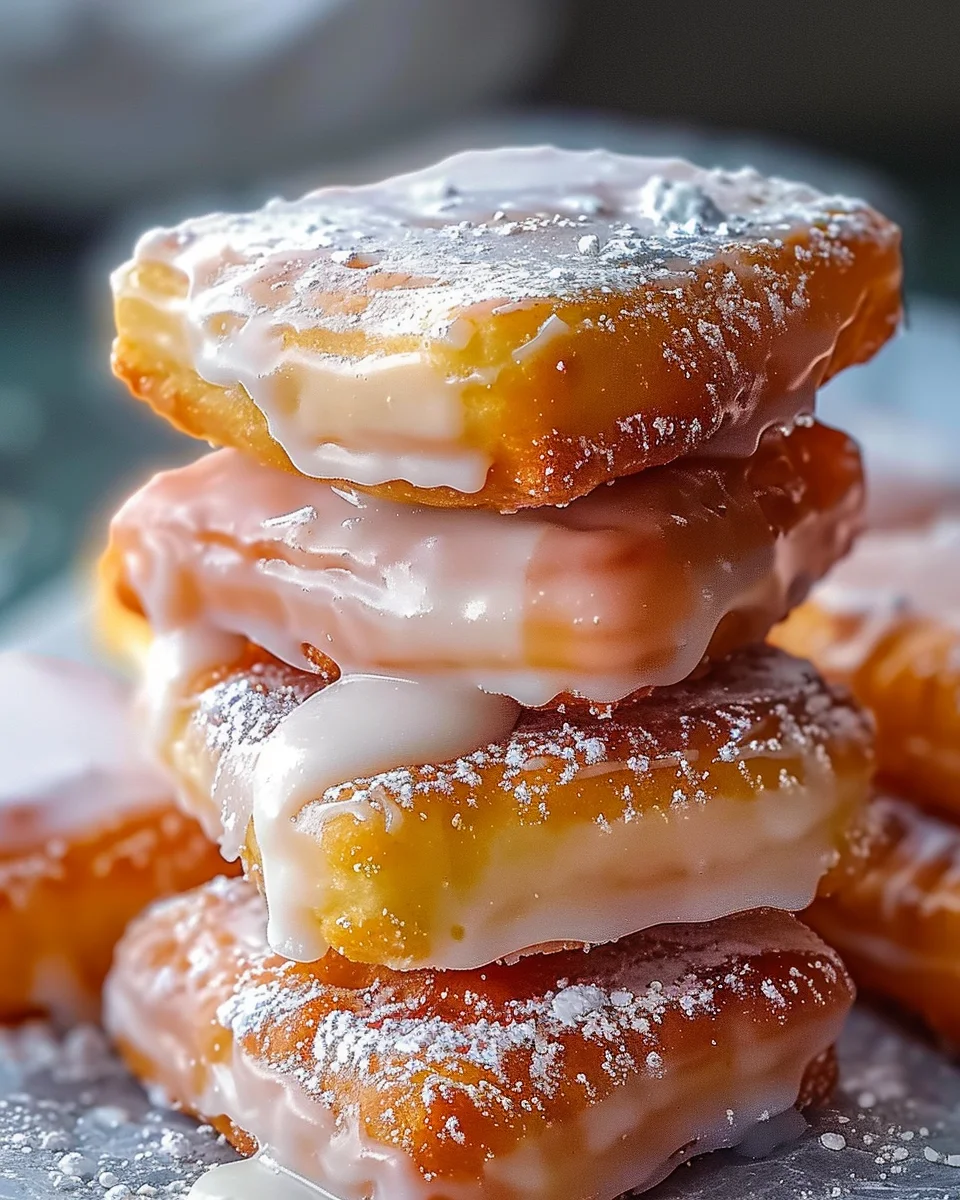
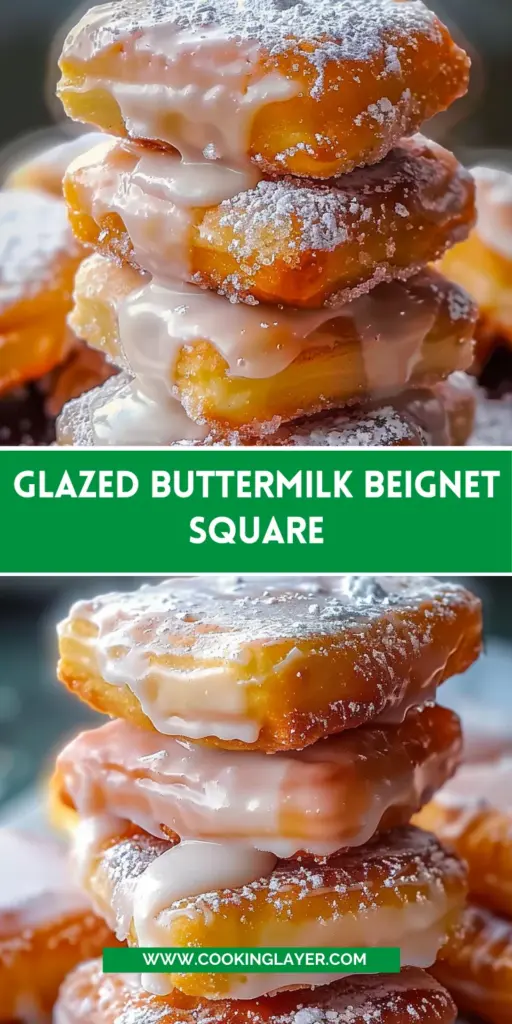
A Glazed Buttermilk Beignet Square is a rich, fluffy fried pastry made from a yeast dough enriched with buttermilk, egg, butter, and a touch of sugar. Unlike thin, airy pastries, this version is thicker and more bakery-style. It has crisp golden edges on the outside and a pillowy center on the inside. Once fried, it gets topped with a smooth vanilla glaze that settles into a shiny, delicate shell.
This treat feels both nostalgic and special. It’s the kind of pastry that looks beautiful on a cooling rack and tastes even better with coffee, tea, or hot chocolate. The dough is soft and tender, while the glaze adds sweetness without overpowering the buttery flavor underneath.
What makes Glazed Buttermilk Beignet Square stand out is balance. The buttermilk gives the dough a gentle tang, the yeast makes it airy, and the glaze finishes it with a classic bakery touch. Every bite feels cozy, soft, and satisfying.
Why This Bakery-Style Treat Stands Out
Some fried pastries are light and hollow. Others are dense and heavy. This one lands right in the sweet spot. It’s soft without being flimsy and thick without feeling too rich. That’s why it has such a bakery-style charm.
Here’s what makes it memorable:
- Tender crumb: Buttermilk and butter keep the inside soft.
- Golden exterior: Proper frying creates a lightly crisp edge.
- Vanilla glaze: The topping adds sweetness and shine.
- Square shape: Easy to cut, fry, and serve.
- Comfort factor: It feels homemade in the best way.
The square shape also gives this pastry a neat, polished look. It fries evenly, stacks well, and looks picture-perfect for brunch tables or dessert trays.
The Role of Buttermilk in Soft Dough
Buttermilk is one of the stars of this recipe. It adds a mild tang and helps create a softer crumb than plain milk alone. Because it is slightly acidic, it also gives the dough a more rounded, richer flavor.
Why Acidity Matters
The acidity in buttermilk helps tenderize the gluten in the flour. That means the dough stays soft and easy to bite into instead of chewy or tough. It also adds depth, so the pastry tastes more interesting than a basic sweet dough.
Warm Buttermilk Temperature Tips
Warm buttermilk should feel slightly warm, not hot. If it gets too hot, it can harm the yeast. A safe range is warm to the touch, around the temperature you’d use for baby bath water. Gentle warmth helps the yeast activate and foam, which is key for a good rise.
Ingredients You Need for Glazed Buttermilk Beignet Square
This recipe uses everyday ingredients, but each one has an important job.
Dough Ingredients
| Ingredient | Amount | Purpose |
|---|---|---|
| Warm buttermilk | ¾ cup | Adds tang and tenderness |
| Active dry yeast | 2¼ teaspoons | Helps dough rise |
| Granulated sugar | ¼ cup | Sweetens and feeds yeast |
| Large egg | 1 | Adds richness and structure |
| Unsalted butter, melted | ¼ cup | Brings flavor and softness |
| All-purpose flour | 3¼ cups | Forms the dough |
| Salt | ¾ teaspoon | Balances sweetness |
Frying Essentials
Use a neutral oil like vegetable or canola oil. These oils let the buttery dough and vanilla glaze shine without adding a strong flavor.
Vanilla Glaze Ingredients
| Ingredient | Amount | Purpose |
|---|---|---|
| Powdered sugar | 2 cups | Creates smooth sweetness |
| Milk or cream | 3–4 tablespoons | Thins glaze to desired texture |
| Vanilla extract | 1 teaspoon | Adds warm flavor |
| Pinch of salt | Small amount | Balances sweetness |
Tools That Make the Process Easier
You do not need fancy gear, but a few tools make things smoother:
- Large mixing bowl
- Rolling pin
- Sharp knife or bench scraper
- Heavy pot or deep fryer
- Thermometer
- Wire rack
- Whisk for glaze
A thermometer really helps. Oil that’s too cool makes greasy pastries, while oil that’s too hot browns the outside before the inside is ready.
How to Make the Dough Step by Step
Start by whisking warm buttermilk, yeast, and sugar in a large bowl. Let it sit for 5 to 8 minutes until foamy. This step wakes up the yeast and shows it is active.
Next, add the egg and melted butter. Stir gently until combined. Then add the flour and salt little by little. Mix until a soft dough forms. The goal is a dough that feels smooth and tender but not sticky. This usually takes about 8 to 10 minutes of mixing and kneading.
Don’t dump in extra flour too fast. The dough should be soft. Too much flour can make the finished beignets dry.
Letting the Dough Rise Properly
Cover the bowl and place it in a warm spot. Let the dough rise until doubled in size, which usually takes 1 to 1½ hours.
A good rise creates that airy, pillowy center. If the kitchen is chilly, the dough may need more time. Don’t rush it. Yeast dough loves patience.
Signs the dough is ready:
- It looks puffy
- It has roughly doubled
- A light finger press leaves a soft dent
How to Shape Thick Beignet Squares
Once risen, turn the dough out onto a lightly floured surface. Roll it to about ½-inch thickness. This gives the beignets their thick, bakery-style look.
Use a knife or bench scraper to cut neat squares. Try to keep the pieces similar in size so they fry evenly.
Thicker dough gives a plush center. That’s one of the biggest reasons this recipe feels so cozy and satisfying.
Frying Tips for Golden, Puffy Results
Heat oil to 340–350°F (170–175°C). This range is ideal for frying Glazed Buttermilk Beignet Square. Carefully lower in a few pieces at a time. Don’t crowd the pot.
Fry each square for 2 to 3 minutes per side until evenly golden and puffed. Turn once for even color.
For best results:
- Check oil temperature often
- Fry in batches
- Let the dough float freely
- Remove when golden, not dark brown
Transfer the fried beignets to a wire rack. This helps steam escape and keeps the outside from getting soggy.
How to Glaze for a Smooth Sugary Shell
Make the glaze by whisking powdered sugar, milk or cream, vanilla extract, and a pinch of salt until smooth. It should be pourable but still thick enough to coat the top nicely.
While the beignets are still warm, dip or spoon glaze over the tops only. This creates that lovely bakery finish. Let the glaze set for 5 to 10 minutes until it becomes shiny and lightly firm.
That thin shell is part of the magic. It gives a sweet little crackle before you reach the soft pastry underneath.
Common Mistakes to Avoid
Even simple recipes can go sideways. Here are a few things to watch:
- Using hot buttermilk: It can hurt the yeast.
- Adding too much flour: This makes the dough heavy.
- Skipping the rise: The texture won’t be fluffy.
- Frying at the wrong temperature: Too low gets greasy; too high burns.
- Glazing too late: Warm beignets help the glaze settle beautifully.
Little details make a big difference here.
Serving Ideas for Cozy Bakery Vibes
These pastries are lovely on their own, but they’re even better as part of a cozy spread. Serve them with:
- Fresh coffee
- Chai or black tea
- Hot chocolate
- Fresh berries
- Soft scrambled eggs for brunch
You can stack them on a cake stand, place them in a lined basket, or arrange them on a cooling rack for that classic bakery feel.
Storage and Reheating Tips
Glazed Buttermilk Beignet Square tastes best the day it is made, but leftovers can still be enjoyable.
- Store at room temperature in an airtight container for up to 1 day
- For slightly longer storage, refrigerate for up to 3 days
- Reheat gently so the pastry softens again
Keep in mind that fried dough is always best fresh. The glaze may soften over time, but the flavor will still be delicious.
Easy Recipe Variations to Try
Once you master the classic version, you can try fun twists:
| Variation | Idea |
|---|---|
| Lemon glaze | Swap vanilla for lemon juice and zest |
| Cinnamon sugar | Skip glaze and toss warm beignets in cinnamon sugar |
| Maple glaze | Use maple flavor for a warm breakfast-style finish |
| Filled version | Pipe in pastry cream or jam after frying |
| Almond glaze | Add a drop of almond extract |
These changes keep the same tender texture while giving the recipe a fresh personality.
FAQs About Glazed Buttermilk Beignet Square
Can I make the dough ahead of time?
Yes. You can prepare the dough, cover it, and chill it after mixing or after the first rise. Let it warm slightly before rolling and frying.
Why didn’t my dough puff up well?
The yeast may have been inactive, or the dough may not have had enough rising time. Oil that is too cool can also affect puffing.
Can I use regular milk instead of buttermilk?
You can, but the dough may lose some tenderness and tang. Buttermilk gives the best flavor and texture.
What oil is best for frying?
Use a neutral oil such as vegetable or canola oil. These work well at frying temperatures and won’t overpower the pastry.
Can I glaze the whole beignet instead of just the top?
Yes, but glazing only the top helps keep the texture balanced and gives a classic bakery look.
How do I know the glaze is the right consistency?
It should be smooth, thick, and pourable. If it’s too stiff, add a tiny bit more milk. If it’s too thin, add more powdered sugar.
Conclusion
Glazed Buttermilk Beignet Square is the kind of homemade treat that feels warm, sweet, and comforting from the very first bite. With its soft yeast dough, rich buttermilk flavor, golden fried edges, and glossy vanilla glaze, it brings bakery-style joy right into your kitchen.
It’s a simple recipe with big rewards. Take your time with the dough, keep the oil at the right temperature, and glaze while warm. Do that, and you’ll have a batch of pillowy, shiny beignet squares that look as lovely as they taste.
Print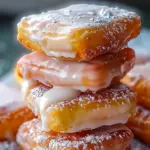
Glazed Buttermilk Beignet Square
Description
Glazed Buttermilk Beignet Square is a soft, bakery-style fried treat with a tender center, crisp golden edges, and a smooth vanilla glaze. Learn how to make this cozy homemade favorite step by step.
Ingredients
Dough
¾ cup warm buttermilk (not hot)
2¼ teaspoons active dry yeast
¼ cup granulated sugar
1 large egg
¼ cup unsalted butter, melted
3¼ cups all-purpose flour
¾ teaspoon salt
For Frying
Neutral oil (vegetable or canola)
Vanilla Glaze
2 cups powdered sugar
3–4 tablespoons milk or cream
1 teaspoon vanilla extract
Pinch of salt
Instructions
In a large bowl, whisk warm buttermilk, yeast, and sugar until combined. Let rest until foamy and activated 🫧 (5–8 minutes).
Add the egg and melted butter, then mix gently. Gradually stir in flour and salt until a soft, smooth dough forms — tender but not sticky 🤍 (8–10 minutes).
Cover the bowl and let the dough rise in a warm place until doubled in size ⏳ (1–1½ hours).
Roll the risen dough to about ½-inch thickness for thick, bakery-style squares. Cut into neat squares 🔪 (10 minutes).
Heat oil to 340–350°F (170–175°C). Fry the dough squares in batches, turning once, until evenly golden and puffed ✨ (2–3 minutes per side).
Transfer fried beignets to a wire rack to drain briefly — avoid paper towels to keep the glaze silky 🍩 (2 minutes).
Whisk powdered sugar, milk, vanilla, and salt until smooth and pourable but thick. While beignets are still warm, dip or spoon glaze over the tops only 🤍 (5 minutes).
Allow the glaze to set into a shiny shell before serving ✨ (5–10 minutes).