
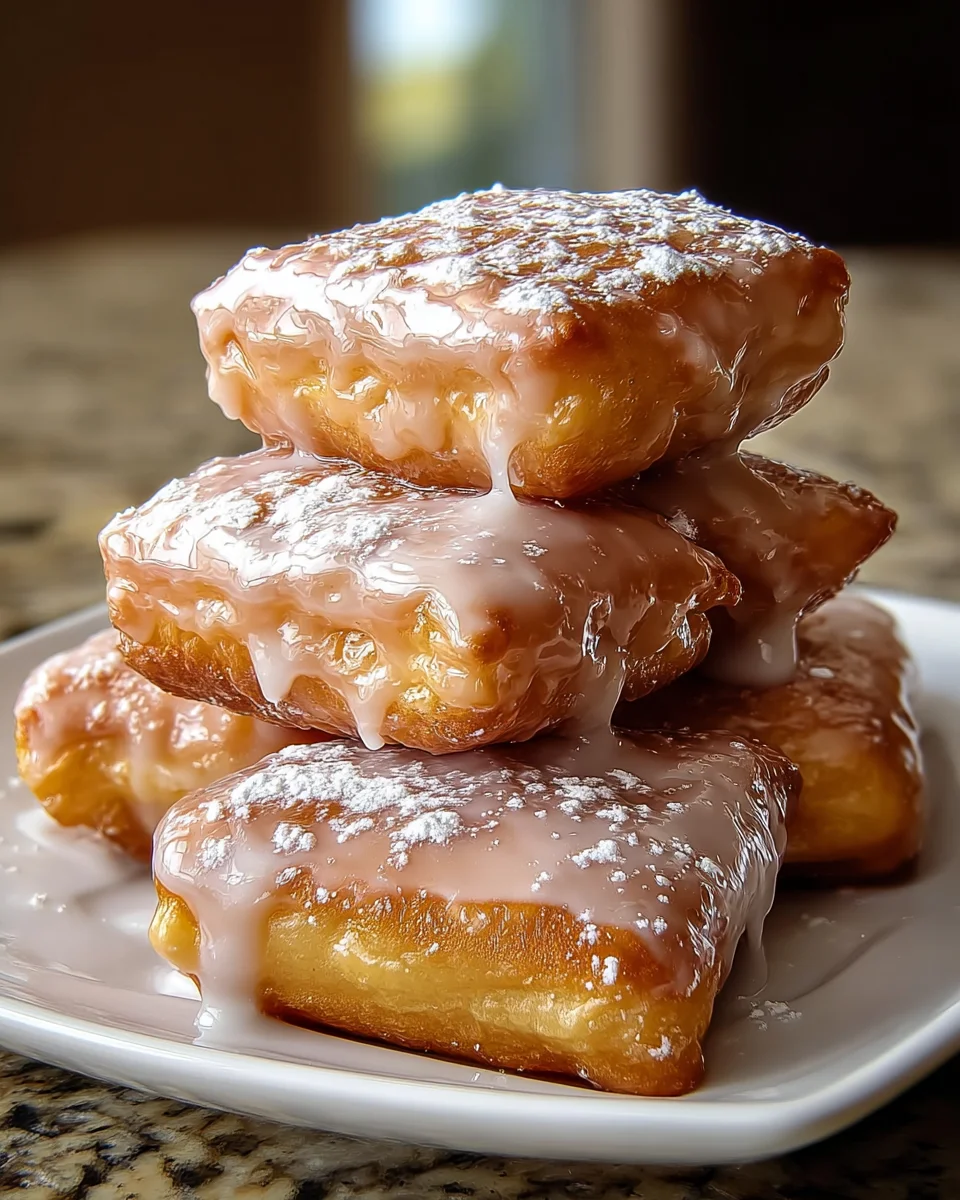
There’s something undeniably comforting about a warm, freshly glazed beignet. That first bite lightly crisp on the outside, soft and airy on the inside, coated in a sweet vanilla glaze feels like pure joy. If you’ve ever wandered into a Southern bakery early in the morning and caught the scent of fried dough and sugar in the air, you know exactly what kind of magic we’re talking about.
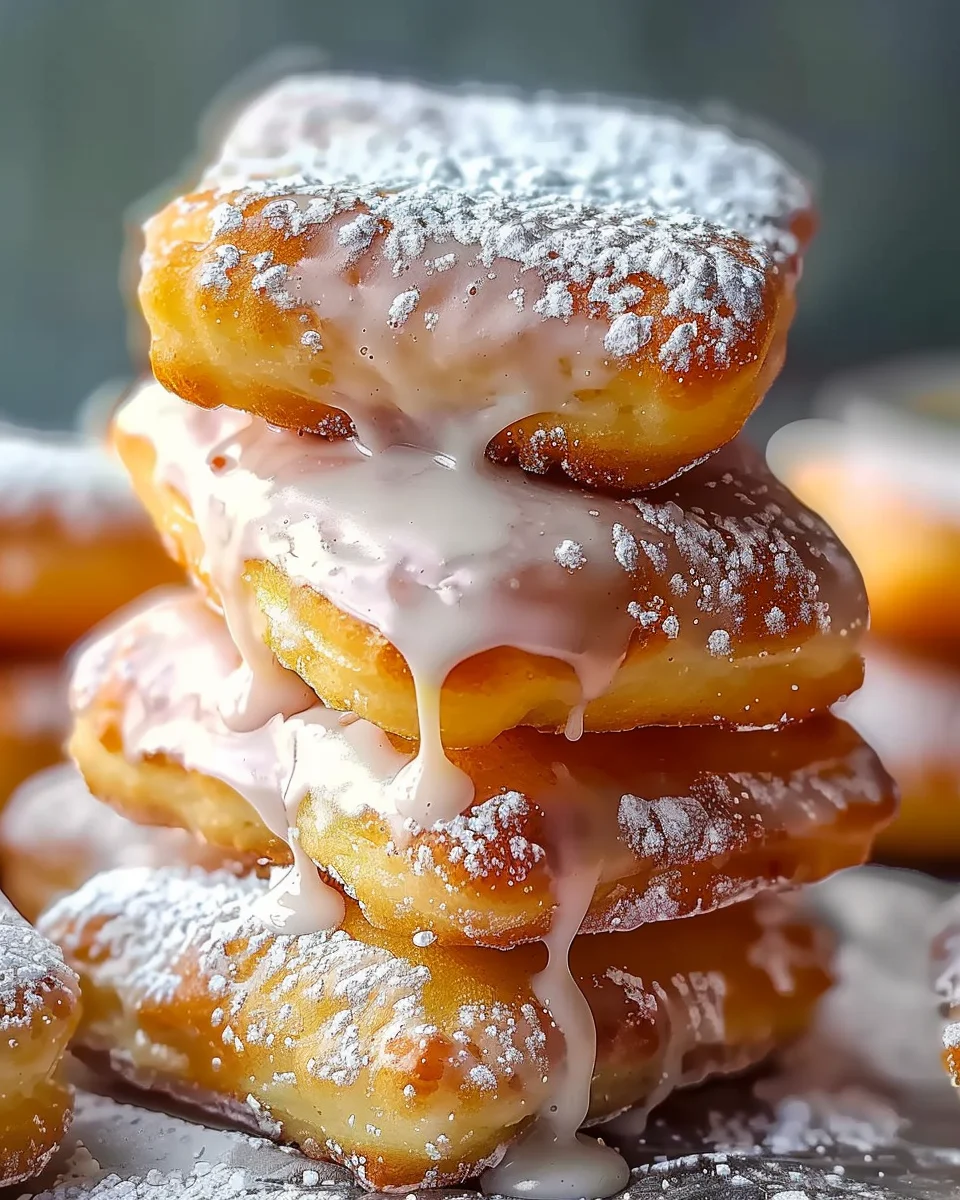
Glazed buttermilk beignets take the traditional powdered-sugar version and give it a glossy, bakery-style upgrade. Instead of a cloud of powdered sugar dusting your clothes, you get a smooth vanilla glaze that sets into a delicate shell. It’s neat, beautiful, and incredibly satisfying.
The best part? You don’t need to travel to New Orleans or wait in line at a café to enjoy them. With simple pantry ingredients and about 35 minutes from start to finish, you can create approximately two dozen golden, pillowy beignets right in your own kitchen.
This recipe, developed by Emily Harper, keeps things straightforward and approachable. It’s perfect for weekend brunch, holiday mornings, or those spontaneous “I need something sweet” moments. The dough is enriched with buttermilk and butter, giving it a tender crumb and subtle tang that balances perfectly with the sweet glaze.
So if you’re craving a warm, indulgent treat that feels both nostalgic and homemade, you’re in the right place. Let’s break down exactly what makes these glazed buttermilk beignets so irresistible.
The History and Southern Roots of Beignets
Beignets may feel deeply Southern, but their story actually begins across the Atlantic. Understanding their history makes each bite even more meaningful.
French Influence
The word “beignet” comes from France, where it simply means “fritter.” French settlers brought their culinary traditions with them to Louisiana in the 18th century. Among those traditions was the concept of fried dough pastries—simple, comforting, and versatile.
Originally, beignets were often dusted with sugar or filled with fruit preserves. Over time, they evolved based on local ingredients and tastes. The humid Southern climate, access to sugar, and love for indulgent desserts helped shape what we now recognize as the classic beignet.
How Beignets Became a Southern Staple
In New Orleans, beignets became synonymous with café culture. Served hot and generously coated in powdered sugar, they were typically paired with coffee. Over the decades, they transformed from a European import into a Southern icon.
Glazed versions are a more modern twist—borrowing inspiration from Southern glazed donuts. This variation keeps the airy structure of a beignet but adds a smooth vanilla glaze for a polished, bakery-style finish.
Today, beignets represent comfort, celebration, and tradition. Making them at home connects you to that history—while adding your own personal touch.
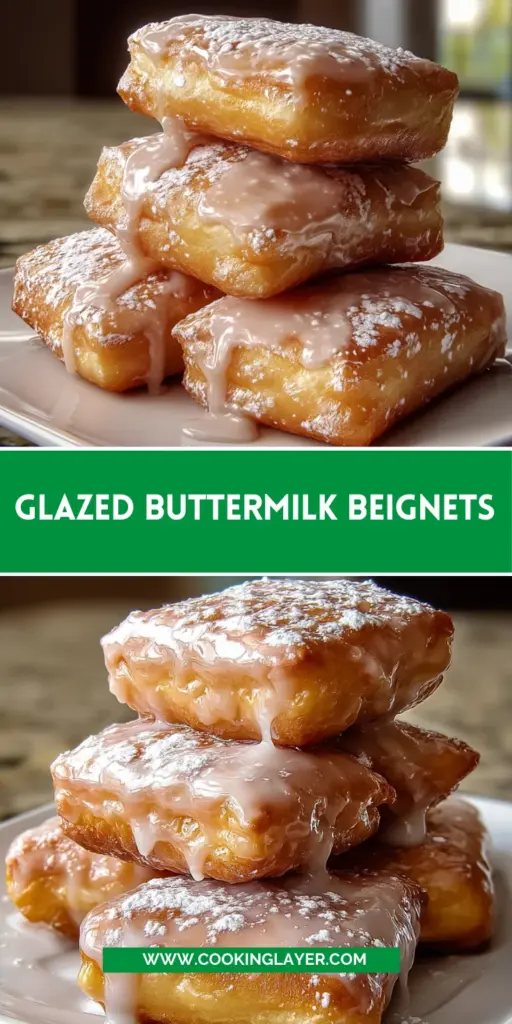
What Makes Buttermilk Beignets Extra Special
Not all beignets are created equal. The addition of buttermilk makes a noticeable difference in both flavor and texture.
Flavor Profile
Buttermilk adds a subtle tang that balances sweetness beautifully. Without it, the dough might taste one-dimensional. With it, there’s depth. The slight acidity enhances the buttery richness and complements the vanilla glaze.
It’s the kind of flavor you can’t always pinpoint—but you definitely notice when it’s missing.
Texture Benefits
Buttermilk also works behind the scenes in the structure of the dough. Its acidity helps tenderize gluten, which results in a softer crumb. That means your beignets turn out pillowy rather than chewy.
When fried, they puff beautifully, creating a light interior with delicate air pockets. The outside becomes golden and slightly crisp, while the inside stays soft and fluffy.
Think of buttermilk as the secret ingredient that quietly elevates everything.
Ingredients Breakdown: Building the Perfect Dough
This recipe uses simple ingredients, but each one plays an essential role.
Flour and Structure
All-purpose flour forms the backbone of the dough. It provides the structure needed to trap air from the yeast, allowing the beignets to rise properly during frying.
Gradually incorporating 3 ½ cups ensures the dough doesn’t become overly dense.
Yeast and Rise
Active dry yeast is responsible for that airy texture. When activated in warm water (110°F), it begins feeding on sugars and producing carbon dioxide—creating the bubbles that make the dough light.
Skipping proper activation risks flat, dense results.
Buttermilk and Moisture
The ½ cup of buttermilk adds moisture, tenderness, and flavor depth. It also contributes to a beautifully soft interior once fried.
Egg, Butter, and Sugar Balance
- The egg adds richness and stability.
- Melted butter enhances flavor and softness.
- Sugar provides subtle sweetness and feeds the yeast.
- Salt balances and sharpens flavor.
Together, they create a harmonious dough that’s flavorful without being overly sweet.
Why Yeast Activation Matters More Than You Think
Activating yeast might seem like a small step—but it’s crucial. Combining yeast with warm water at exactly 110°F wakes it up without killing it. Too hot, and the yeast dies. Too cool, and it won’t activate properly.
After 5 minutes, the mixture should be frothy. That foam signals healthy yeast activity. If you don’t see bubbles, it’s best to start over rather than risk dense beignets.
This simple step ensures your dough rises properly and fries into light, airy perfection.
Mixing the Dough: Creating the Ideal Texture
Once your yeast is activated, adding buttermilk, egg, sugar, butter, and salt creates a rich base. Gradually mixing in flour prevents clumping and allows better hydration.
The dough should be slightly sticky but manageable. Smooth and elastic—not dry or crumbly.
This balance ensures proper kneading and rising in the next steps.
Kneading Techniques for Soft and Airy Beignets
Kneading for about 5 minutes develops gluten just enough to create structure without toughness. Use a lightly floured surface and gentle, consistent pressure.
The dough should feel:
- Soft
- Slightly elastic
- Smooth to the touch
Over-kneading can make the beignets dense, so aim for pliable—not stiff.
The Rising Process: Developing Flavor and Structure
Ideal Environment
Place dough in a greased bowl, cover, and let rise in a warm spot for 1–2 hours. Warmth encourages yeast activity.
Visual Cues for Readiness
The dough should double in size and feel airy. Gently pressing it should leave a slight indentation.
This rise builds both texture and flavor.
Shaping Perfect Beignet Squares
Roll dough to ¼-inch thickness and cut into 2-inch squares. Clean edges help ensure even frying.
Uniform size means consistent cooking—a small detail that makes a big difference.
Mastering the Frying Method
Oil Selection
Use neutral oils like canola or vegetable oil.
Temperature Control
Heat oil to 360°F. Consistency is key. Too cool equals greasy; too hot equals burnt exterior.
Frying in Batches
Fry 1–2 minutes per side until golden brown. Avoid overcrowding.
Drain on paper towels before glazing.
Creating a Smooth Vanilla Glaze That Sets Beautifully
Whisk powdered sugar, milk, and vanilla until smooth. The glaze should coat the back of a spoon.
Adjust thickness gradually. Too thin? Add sugar. Too thick? Add milk.
Glazing Techniques for a Bakery-Style Finish
Dip warm beignets into glaze, allowing excess to drip off. Place on a wire rack to set.
The glaze hardens slightly, creating a glossy finish that’s both beautiful and delicious.
Conclusion
Glazed buttermilk beignets combine Southern tradition with bakery-style elegance. Light, airy, and coated in sweet vanilla glaze, they’re a treat that feels special yet achievable at home.
With simple ingredients and careful technique, you can recreate this classic dessert anytime the craving strikes.
FAQs
1. Can I make the dough ahead of time?
Yes, refrigerate after the first rise and use within 24 hours.
2. Why are my beignets greasy?
The oil temperature was likely too low.
3. Can I freeze beignets?
They’re best fresh, but you can freeze unglazed beignets and reheat later.
4. Can I use instant yeast?
Yes, but you can skip the activation step.
5. How do I store leftovers?
Keep in an airtight container at room temperature for up to 2 days.
Glazed Buttermilk Beignets
Description
Glazed buttermilk beignets take the traditional powdered-sugar version and give it a glossy, bakery-style upgrade. Instead of a cloud of powdered sugar dusting your clothes, you get a smooth vanilla glaze that sets into a delicate shell. It’s neat, beautiful, and incredibly satisfying.
Ingredients
For the Dough:
3 ½ cups all-purpose flour
2 ¼ teaspoons active dry yeast
¾ cup warm water (110°F / 43°C)
½ cup buttermilk
1 large egg
3 tablespoons sugar
¼ cup melted butter
½ teaspoon salt
Oil for frying (canola or vegetable)
For the Vanilla Glaze:
1 ½ cups powdered sugar
3–4 tablespoons milk
½ teaspoon vanilla extract
Instructions
In a large bowl, combine the active dry yeast with warm water (110°F). Let it sit for about 5 minutes until it becomes frothy. If it doesn’t foam, the yeast may be inactive.
Add the buttermilk, egg, sugar, melted butter, and salt to the yeast mixture. Stir to combine.
Gradually add the flour, mixing until a slightly sticky dough forms. The dough should feel soft and elastic.
Transfer the dough to a lightly floured surface. Knead for about 5 minutes until smooth and pliable.
Place the dough in a greased bowl, cover with plastic wrap or a clean towel, and let it rise in a warm place for 1–2 hours, or until doubled in size.
Punch down the risen dough. Roll it out on a floured surface to about ¼-inch thickness.
Cut into 2-inch squares using a sharp knife or dough cutter.
Heat oil in a deep pot to 360°F (180°C).
Fry the dough squares in batches, about 1–2 minutes per side, until golden brown. Avoid overcrowding the pot.
Remove and drain on paper towels.
In a bowl, whisk together powdered sugar, milk, and vanilla extract until smooth. The glaze should be thick but pourable.
While the beignets are still warm, dip them into the glaze. Allow excess glaze to drip off, then place them on a wire rack to set.
The glaze will harden slightly and create a glossy finish.