
Why This Lemon Cobbler Feels Like Kitchen Magic
Some desserts don’t just taste good — they surprise you. This magic lemon cobbler is exactly that kind of recipe. You slide a simple dish into the oven that looks… honestly, a little unimpressive. Melted butter, pale batter, blobs of lemon filling on top. Nothing fancy. Nothing dramatic.
Then you pull it out 50 minutes later.
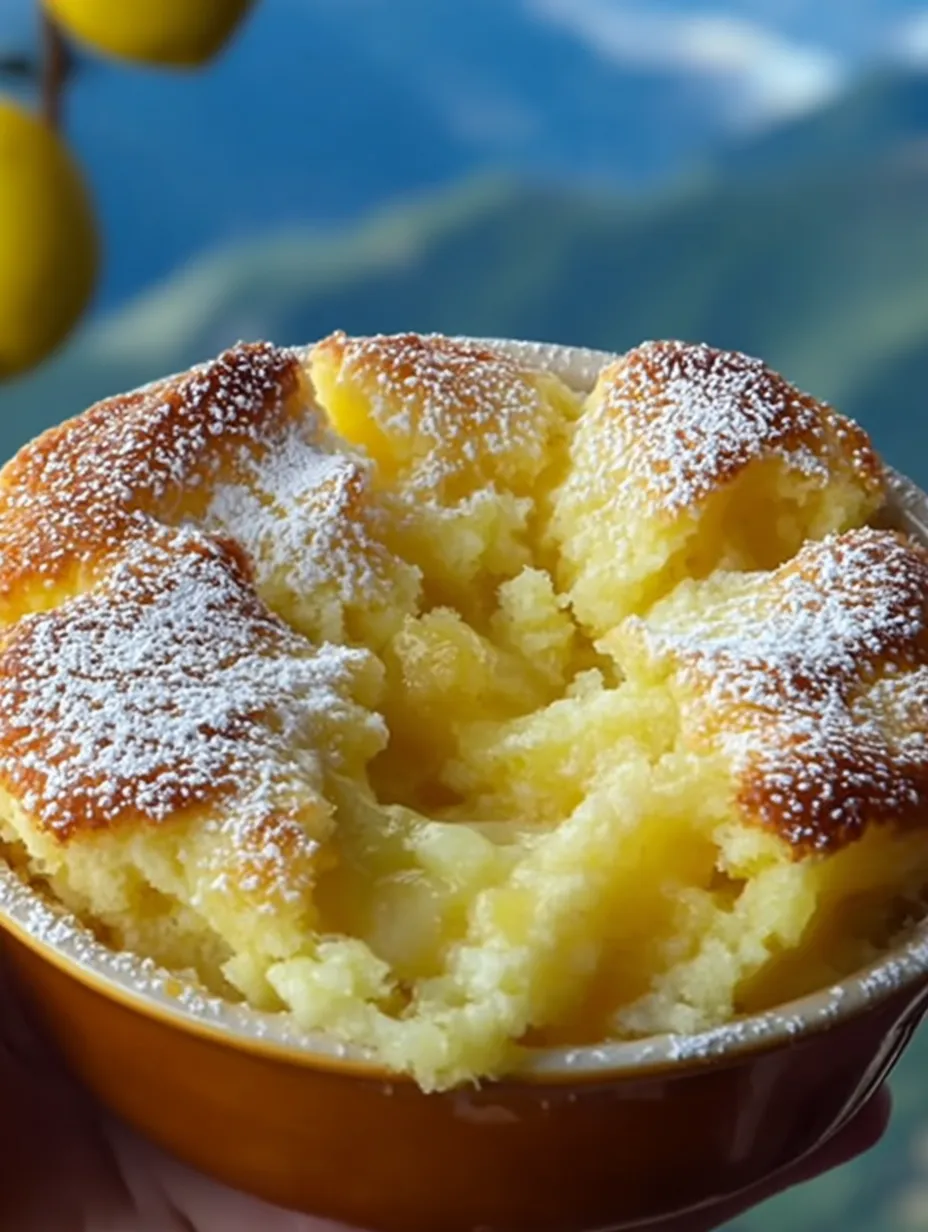
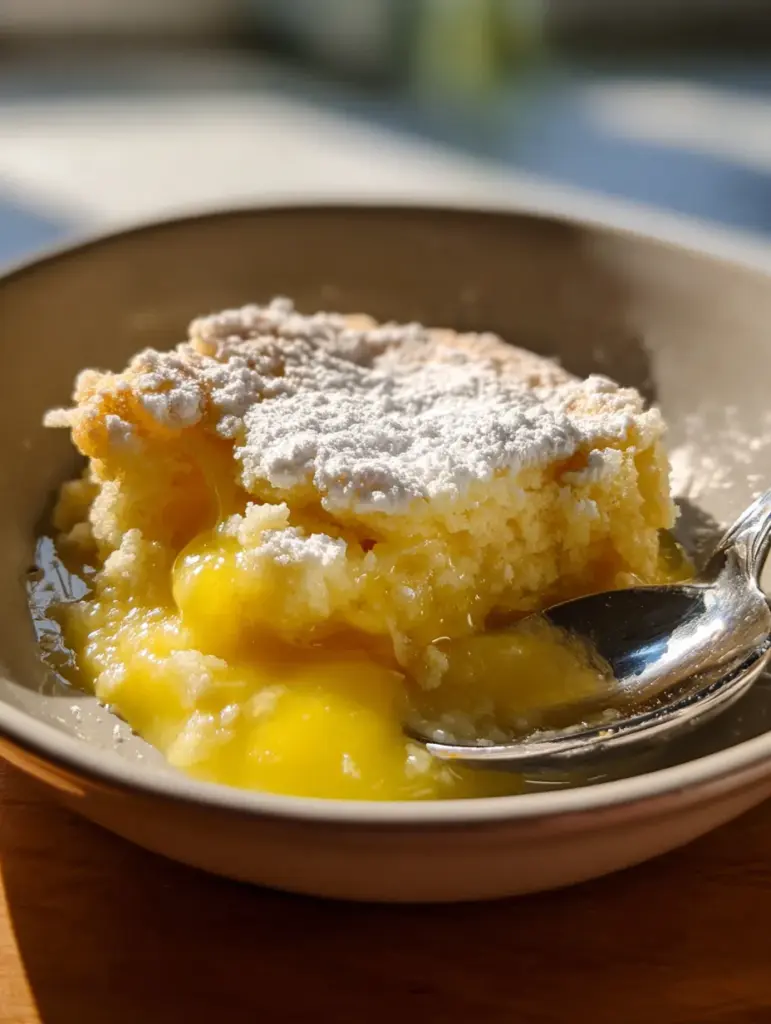
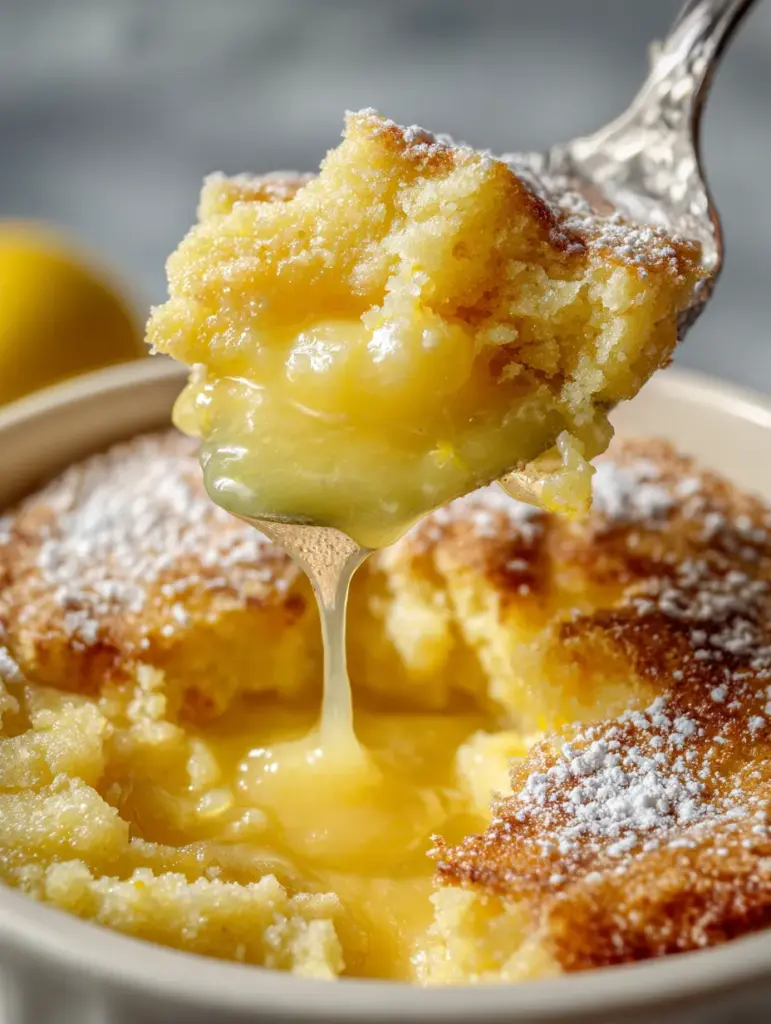
The top is golden and cracked, lightly crisp around the edges, soft and pillowy in the center. Powdered sugar melts into the warm surface. When you scoop into it with a spoon, the cake gives way to a glossy, pudding-like lemon layer hiding underneath. Not runny. Not stiff. Just warm, gooey, bright, and comforting.
That contrast — fluffy cake on top, silky lemon underneath — is what makes this dessert disappear fast. It’s the kind of cobbler people “just want a small scoop” of… and then go back for seconds straight from the baking dish.
What makes this recipe even better? It’s incredibly easy. No mixer. No creaming butter. No separating eggs. No fancy techniques. The oven does the work, rearranging the layers while it bakes. That’s the magic.
And yes — this final result matches the image exactly: a rustic, golden lemon cobbler with cracked cake peaks and a rich citrus center, dusted generously with powdered sugar and best served warm.
What Makes This Lemon Cobbler Truly “Magical”
At first glance, this recipe almost looks wrong. You pour melted butter into the pan, add batter directly on top, spoon lemon filling over everything, sprinkle sugar, and then… you don’t stir. Every instinct tells you to mix it together.
But resisting that urge is the secret.
As the cobbler bakes, something fascinating happens:
- The butter sinks and creates richness
- The batter rises and forms a soft cake
- The lemon filling melts downward, becoming a pudding-like layer underneath
No flipping. No layering by hand. The oven gently rearranges everything.
This technique is similar to classic “dump cakes” and self-saucing puddings, where density and moisture determine where ingredients settle during baking. The lemon pie filling is heavier and more liquid than the batter, so it naturally sinks. Meanwhile, the batter lifts and bakes into a golden crust.
The result is a dessert with built-in texture contrast, which is exactly why it feels so satisfying to eat.
And lemon? Lemon is the perfect flavor for this kind of magic. Its acidity cuts through the sweetness, keeping the dessert bright instead of heavy. Each bite tastes rich but refreshing — like sunshine with butter.
A Closer Look at the Final Dessert (Matching the Image)
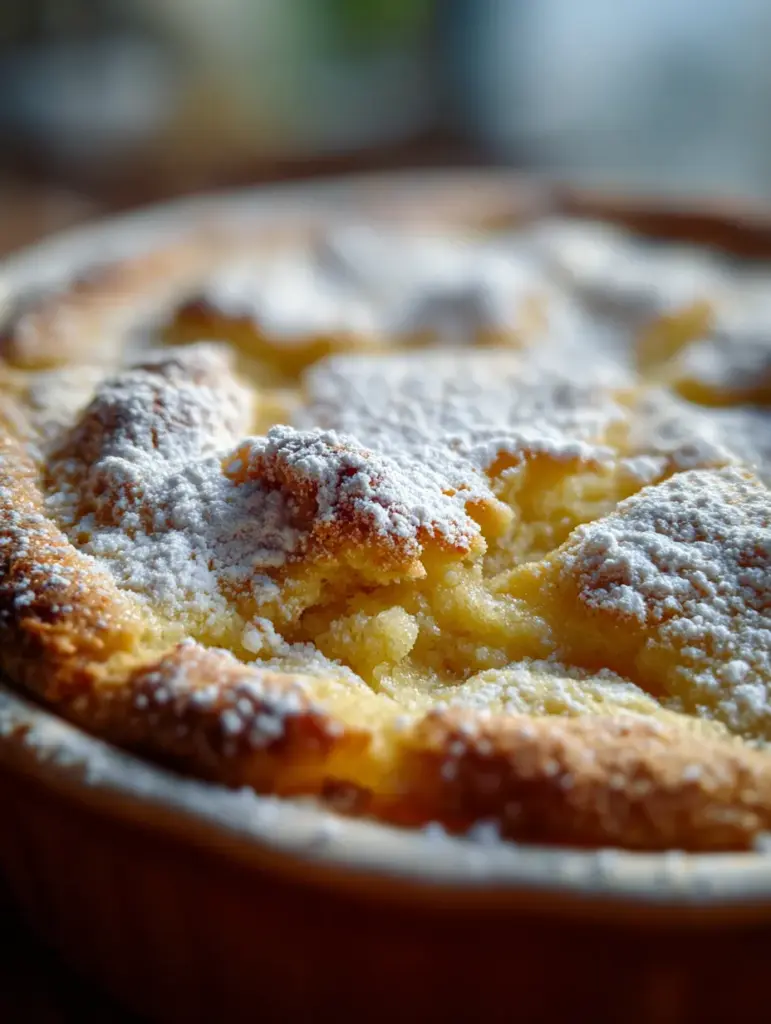
Let’s talk about what you should see when this cobbler comes out of the oven — because visual cues matter just as much as flavor.
The Top
The surface should be:
- Golden yellow, not pale
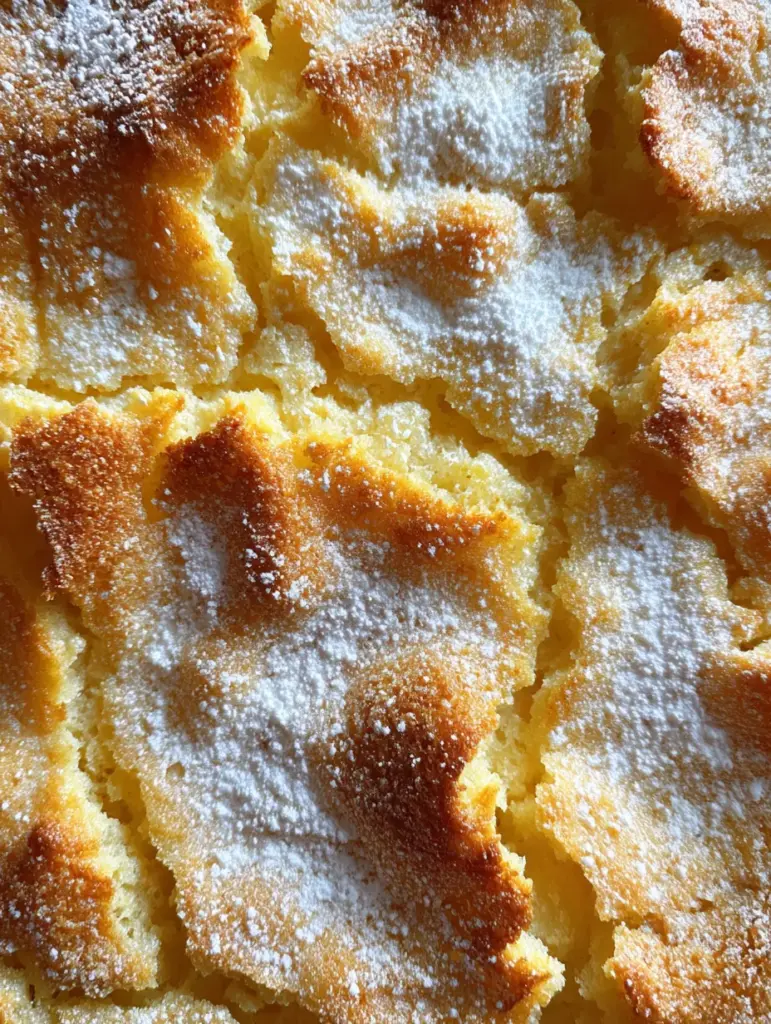
- Slightly cracked and uneven
- Soft in the center with lightly crisp edges
Those cracked peaks you see in the image? That’s exactly what you want. They indicate the cake has risen properly and baked through while staying tender.
The Inside
When you scoop into it:
- The top layer feels like soft cake
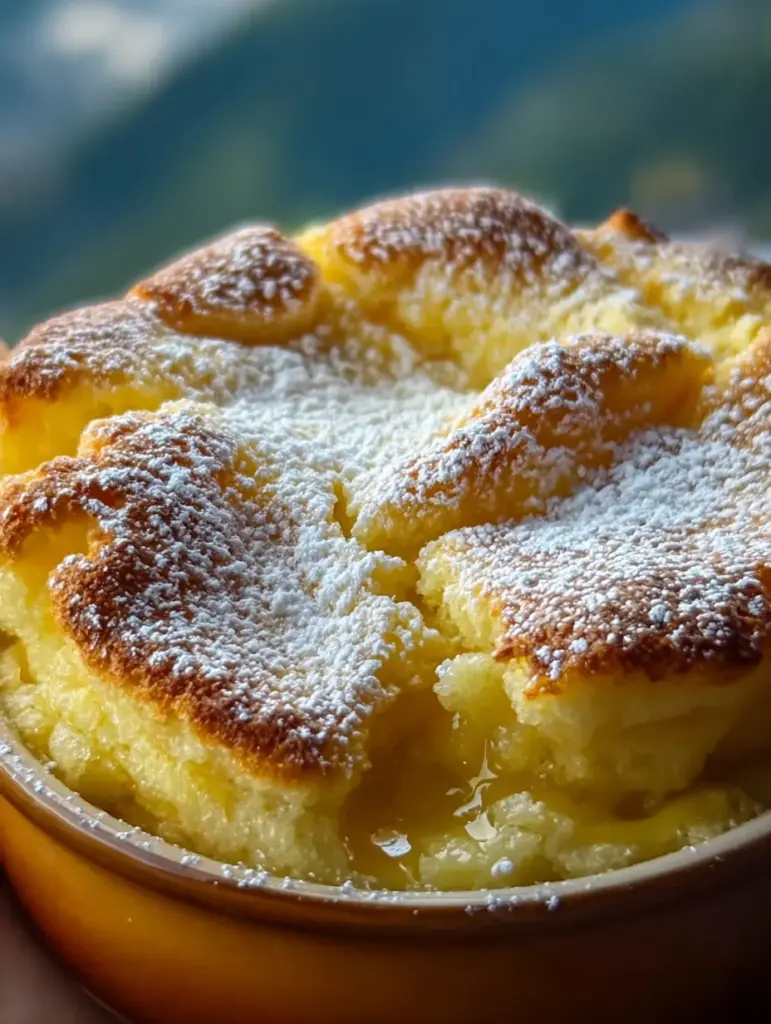
- Beneath it is a warm, glossy lemon pudding
- The filling holds its shape but flows gently
It should not be soupy. It should not be dry. The center should look rich and spoonable, clinging slightly to the cake above it.
The Finish
A dusting of powdered sugar melts into the warmth, settling into the cracks and highlighting the golden color — just like in the photo. Simple. Rustic. Irresistible.
Ingredients Breakdown: Why Each One Matters
This recipe uses pantry staples, but every ingredient plays a specific role in creating that layered magic.
Unsalted Butter (½ cup, melted)
Butter is the flavor foundation here. Melted butter coats the bottom of the baking dish, preventing sticking while also enriching the cake as it bakes. Using unsalted butter lets you control the salt level and keeps the lemon flavor clean and bright.
All-Purpose Flour (1 cup)
Flour provides structure for the cake layer. Too much flour would make the top dense; too little would make it collapse. This ratio creates a tender, spoonable crumb that still holds together.
Granulated Sugar (1½ cups, divided)
Sugar does more than sweeten:
- 1 cup goes into the batter for structure and moisture
- ½ cup sprinkled on top helps caramelize the surface and enhances the lemon layer underneath
This balance keeps the dessert sweet but not cloying.
Baking Powder (1 tablespoon)
This is what gives the cake its lift. A full tablespoon may seem like a lot, but it’s essential for creating that fluffy, risen top that contrasts with the pudding layer below.
Salt (¼ teaspoon)
A small amount of salt sharpens the lemon flavor and prevents the dessert from tasting flat. It’s subtle but important.
Whole Milk (1 cup)
Milk hydrates the batter and contributes to tenderness. Whole milk works best because the fat adds richness, helping the cake bake soft instead of dry.
Vanilla Extract (1 teaspoon)
Vanilla rounds out the sharpness of the lemon and adds warmth. It doesn’t overpower — it supports.
Lemon Pie Filling (1 can, 21 oz)
This is where the bold lemon flavor comes from. Lemon pie filling already contains sugar, lemon juice, and thickener, making it perfect for forming that gooey bottom layer without extra steps.
Lemon Zest (Optional but Recommended)
Zest adds fresh citrus aroma and boosts color, making the lemon flavor taste brighter and more natural.
Powdered Sugar (For Dusting)
The finishing touch. It adds sweetness without heaviness and makes the dessert look bakery-beautiful.
Ingredient Substitutions & Smart Swaps
One of the reasons this magic lemon cobbler is such a crowd-pleaser is its flexibility. You can keep it classic or gently adapt it based on what you have on hand — without losing that golden, gooey result you see in the image.
If you don’t have whole milk, you can use 2% milk with no issue. The cobbler will still bake up soft, though whole milk gives the richest mouthfeel. Avoid skim milk if possible, as it can make the cake layer a little thin and less tender.
For the butter, unsalted is ideal, but if salted butter is all you have, simply omit the added salt from the batter. The flavor will still be balanced.
When it comes to lemon pie filling, this recipe relies on its thickness and sweetness. Homemade lemon curd is not recommended unless it’s very thick, as looser curds can turn the cobbler watery. If you want extra lemon intensity, keep the pie filling and add fresh lemon zest — that’s the safest way to boost flavor without changing texture.
You can also experiment gently with flavor:
- Add a pinch of ground ginger for warmth
- Mix a teaspoon of lemon juice into the zest for brightness
- Sprinkle a tablespoon of cornstarch over the filling if you like an extra-thick pudding layer
What you shouldn’t substitute is the baking powder or flour ratio. That balance is what allows the cake layer to rise properly and create those cracked golden peaks seen in the final dish.
Step-by-Step Instructions (With Visual & Texture Cues)
This recipe is simple, but paying attention to texture — not just time — ensures the best result.
Step 1: Preheat & Prepare the Dish
Preheat your oven to 350°F (175°C). Pour the melted butter directly into a 9×9-inch baking dish, tilting it so the bottom is evenly coated.
The butter should pool naturally — don’t wipe it out or mix it with anything yet. This layer is crucial for flavor and prevents sticking.
Step 2: Mix the Dry Ingredients
In a mixing bowl, whisk together:
- Flour
- 1 cup granulated sugar
- Baking powder
- Salt
Make sure everything is evenly combined so the cake rises uniformly.
Step 3: Add Milk & Vanilla
Pour in the milk and vanilla extract. Stir gently until smooth and pourable. The batter should resemble pancake batter — fluid but not runny.
Do not overmix. Overworking the batter can make the cake dense instead of soft.
Step 4: Pour Batter Over Butter
Pour the batter directly over the melted butter in the dish. Do not stir. This step feels wrong, but it’s essential.
The batter will float on top of the butter — that’s exactly what you want.
Step 5: Add Lemon Filling
Spoon the lemon pie filling evenly over the batter. Don’t worry if it looks messy or uneven — it will settle as it bakes.
Sprinkle the remaining ½ cup sugar and lemon zest over the top.
Step 6: Bake
Place the dish uncovered in the oven and bake for 45–50 minutes.
You’ll know it’s ready when:
- The top is golden and cracked
- The edges are set
- The center jiggles slightly but isn’t liquid
Step 7: Rest & Finish
Remove from the oven and let the cobbler rest for 10 minutes. This allows the pudding layer underneath to thicken.
Dust generously with powdered sugar just before serving.
Why You Should Never Stir This Batter
This recipe works because of density and heat movement, not because of mixing. Stirring would blend the layers together and eliminate the contrast that makes this dessert special.
Here’s what happens during baking:
- The batter rises as the baking powder activates
- The lemon filling sinks due to its moisture and weight
- Sugar caramelizes on top, creating color and light crispness
Stirring destroys that separation. Trust the process. The messier it looks going into the oven, the more magical it looks coming out.
Baking Science Explained in Simple Terms
Think of this cobbler like a self-building dessert.
The oven heat pushes lighter ingredients upward and heavier ingredients downward. The batter traps air from the baking powder, allowing it to rise. Meanwhile, the lemon filling releases steam and thickens as it heats, forming a pudding-like base.
Butter melts into everything, carrying flavor and moisture through every layer. Sugar caramelizes at the surface, giving that golden color you see in the image.
No fancy techniques — just physics, heat, and patience.
Common Mistakes & How to Avoid Them
Even easy recipes have pitfalls. Here’s how to sidestep them:
- Overbaking: Leads to dry cake and stiff filling. Remove when the center is softly set.
- Underbaking: Results in a soupy bottom. The top should be fully golden.
- Stirring layers: Ruins the magic.
- Using a smaller dish: Makes the cobbler too thick and unevenly baked.
- Skipping the rest time: The pudding layer needs time to settle.
Follow the steps, trust the visuals, and you’ll nail it.
Serving Suggestions (Warm, Cold & Everything Between)
This cobbler shines brightest served warm, straight from the dish. The lemon layer is at its gooey best, and the cake is soft and tender.
Top it with:
- Vanilla ice cream
- Whipped cream
- Fresh berries
It’s also delicious chilled, when the lemon layer firms up into a creamy custard-like texture.
How to Store & Reheat Lemon Cobbler
Store leftovers covered in the refrigerator for up to 4 days.
To reheat:
- Microwave individual portions for 20–30 seconds
- Or warm in a 300°F oven until heated through
The texture remains excellent even after reheating.
Make-Ahead & Freezing Tips
This cobbler is best baked fresh, but you can:
- Mix dry ingredients ahead of time
- Measure wet ingredients and refrigerate separately
Freezing is not recommended, as the pudding layer can separate when thawed.
Print
Magic Lemon Cobbler (Golden, Gooey & Irresistible)
- Prep Time: 15 minutes
- Total Time: ~1 hour 5 minutes
- Category: Dessert · Baked Desserts · Fruit-Based Desserts · Easy Homemade Treats
Description
🍋✨ A truly magical dessert that bakes into layers all on its own! Soft, buttery cake on top with a warm, pudding-like lemon center underneath. Golden, gooey, and dusted with powdered sugar — this cobbler is pure comfort and disappears fast! 💛🥄
Ingredients
½ cup unsalted butter, melted 🧈
1 cup all-purpose flour
1½ cups granulated sugar, divided
1 tbsp baking powder
¼ tsp salt
1 cup whole milk 🥛
1 tsp vanilla extract
1 can (21 oz) lemon pie filling 🍋
Zest of 1 lemon (optional, for extra flavor & color)
Powdered sugar, for dusting
Instructions
Preheat the oven to 350°F (175°C). Pour the melted butter into a 9×9-inch baking dish, tilting to coat the bottom evenly.
⏱️ 5 minutesIn a mixing bowl, whisk together the flour, 1 cup of sugar, baking powder, and salt until well combined.
⏱️ 3 minutesAdd the milk and vanilla extract, stirring gently until smooth. Do not overmix — the batter should be pourable.
⏱️ 2 minutesPour the batter directly over the melted butter in the baking dish. Do not stir — this is what creates the magical layers ✨
⏱️ 2 minutesSpoon the lemon pie filling evenly over the batter. Sprinkle the remaining ½ cup sugar and lemon zest over the top.
⏱️ 3 minutesBake uncovered until the top is golden, cracked, and set, while the center remains soft and gooey.
⏱️ 45–50 minutesRemove from the oven and allow the cobbler to rest so the pudding layer settles beneath the cake.
⏱️ 10 minutesDust generously with powdered sugar and serve warm for the ultimate lemony goodness 💛
⏱️ 1 minute
Notes
This cobbler creates its own layers while baking — do not stir once assembled ✨
Best served warm to enjoy the gooey, pudding-like lemon center 🍋
Vanilla ice cream or whipped cream makes a perfect topping 🍨
Fresh lemon zest enhances both flavor and color, but it’s optional
Ideal for potlucks, family dinners, or quick Southern-style desserts 💛
Nutrition
- Serving Size: 6 servings
- Calories: ~360 kcal
Perfect Pairings: What to Serve With Lemon Cobbler
Lemon loves balance. Pair it with:
- Creamy dairy desserts
- Mild teas
- Fresh fruit
Avoid overly sweet drinks — let the lemon shine.
You may also like :
Lemon Cream Cheese Crescent Rolls (Bakery-Style!)
Lemon Snowball Cookies – A Holiday Dream Come True
Nutritional Overview (Simple & Honest)
This is a dessert — rich, comforting, and meant to be enjoyed.
- ~360 kcal per serving
- Serves 6
- High in carbs and fats
- Bright citrus flavor keeps it from feeling heavy
Why This Recipe Works for Beginners
No mixer. No complicated steps. No stress. This recipe teaches you to trust the oven and the process — and rewards you with bakery-style results.
Conclusion
This magic lemon cobbler is proof that simple ingredients can create something extraordinary. Golden on top, gooey underneath, bright with lemon, and rich with butter — it’s the kind of dessert that feels nostalgic and exciting at the same time.
One dish. One hour. Pure lemon magic.
Similar recipes :
Lemon Crinkle Cookies 🍋 – Bright, Buttery, and Bursting with Sunshine!
Apple Pecan Cranberry Holiday Cheese Ball Recipe
FAQs
1. Can I use fresh lemon juice instead of pie filling?
Not recommended — the filling provides thickness and sweetness that juice alone can’t.
2. Why is my cobbler too runny?
It likely needs more bake time or rest time after baking.
3. Can I double the recipe?
Yes, use a 9×13-inch dish and add 5–10 minutes to baking time.
4. Is this the same as lemon dump cake?
Similar concept, but this has a softer cake and pudding-like center.
5. Can I reduce the sugar?
You can slightly reduce it, but the texture and balance may change.