
What Makes Fried Banana Peppers So Addictive?
There’s something almost unfair about how addictive fried banana peppers can be. You try one, expecting a light, tangy bite… and suddenly you’re reaching for another, then another, until the plate is empty. They hit that perfect balance of crispy, salty, tangy, and just slightly spicy—basically everything your taste buds crave in a snack.
Unlike heavier fried foods, banana peppers bring a brightness that cuts through the oiliness. That natural acidity from the pickling process acts like a built-in flavor enhancer, making each bite feel lighter and more refreshing than you’d expect from something fried. It’s kind of like how a squeeze of lemon can wake up a dish—banana peppers already come with that magic.
Another reason they’re so irresistible is their texture. When fried correctly, the coating becomes golden and crisp, while the inside stays soft and slightly juicy. That contrast creates a satisfying crunch followed by a burst of tangy flavor. It’s not just food—it’s a sensory experience.
The Unique Flavor of Banana Peppers
Banana peppers have a personality of their own. They’re not overwhelmingly spicy like jalapeños, but they’re not bland either. Instead, they sit in that sweet spot—mild heat with a tangy, slightly sweet undertone. When pickled, their flavor becomes even more complex, adding a vinegary kick that makes them incredibly snackable.
That tanginess is what really sets them apart. It cuts through the richness of the fried coating, preventing the dish from feeling too heavy. Think about it like this: if onion rings are all about sweetness and crunch, fried banana peppers bring contrast and excitement. They keep your palate engaged instead of weighed down.
Another interesting thing is how their flavor intensifies when fried. The heat softens the peppers slightly, allowing the tangy juices to mingle with the crispy coating. The result? A bite that’s layered, bold, and surprisingly refreshing for something deep-fried.
Why They Outshine Onion Rings
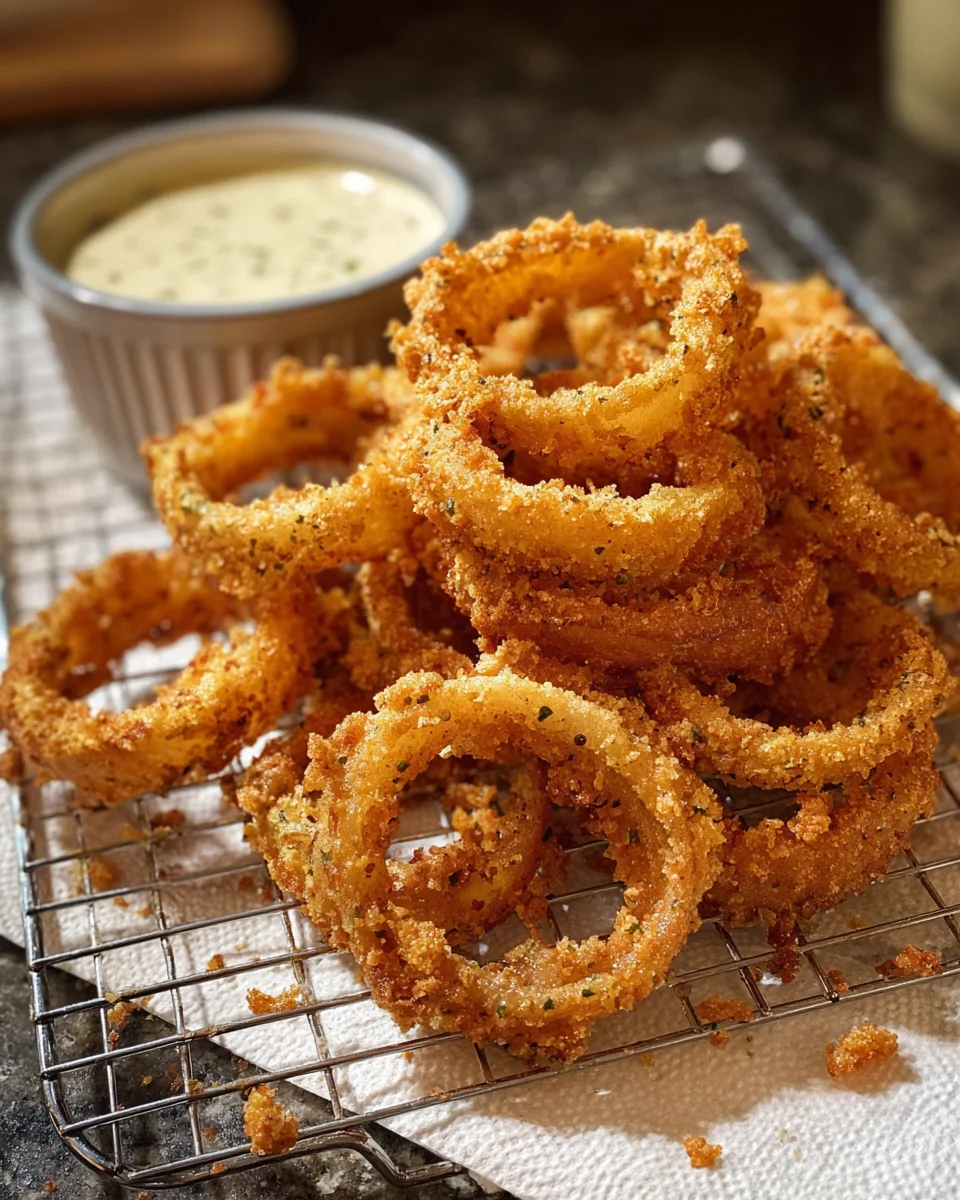
Onion rings have been the go-to fried side for decades, but fried banana peppers are quietly stealing the spotlight—and for good reason. While onion rings can sometimes feel greasy or overly sweet, banana peppers bring balance. They’re lighter, brighter, and more dynamic in flavor.
Texture also plays a big role here. Onion rings can occasionally suffer from the dreaded “pull-out effect,” where you bite into one and the entire onion slides out of the coating. Banana peppers don’t have that problem. Their smaller, ring-shaped pieces hold together perfectly, giving you a consistent bite every time.
Ingredients Breakdown and Flavor Science
Core Ingredients Explained
This recipe keeps things beautifully simple, which is part of its charm. You don’t need a long list of ingredients to create something delicious—just a few well-chosen components that work together perfectly.
The star of the show is, of course, the pickled banana pepper rings. Their tangy flavor and soft texture make them ideal for frying. Because they’re already pickled, they carry built-in seasoning, which means you don’t need to do much to make them taste amazing.
Next comes the all-purpose flour, which forms the crispy outer coating. When it hits hot oil, it transforms into that golden crust we all love. The addition of seasoned salt elevates the coating, giving it a savory kick that complements the tanginess of the peppers.
Finally, there’s the oil. Choosing a high-smoke-point oil like canola ensures that the peppers fry evenly without burning. The oil isn’t just a cooking medium—it’s what creates that irresistible crunch.
Here’s a quick breakdown:
| Ingredient | Role in Recipe |
|---|---|
| Banana Peppers | Tangy, flavorful base |
| Flour | Crispy coating |
| Seasoned Salt | Enhances flavor |
| Oil | Creates crunch |
Choosing the Best Banana Peppers
Not all banana peppers are created equal, and choosing the right ones can make a noticeable difference. Look for pre-sliced, pickled banana pepper rings that are firm and vibrant in color. Avoid ones that appear mushy or overly soft—they won’t hold up as well during frying.
If you prefer a milder flavor, go for sweet banana peppers. If you want a bit more kick, opt for slightly spicier varieties. Either way, the key is quality. Better ingredients lead to better results—it’s that simple.
Step-by-Step Cooking Instructions
Prepping the Peppers Properly
Preparation might seem like a small step, but it’s actually where a lot of people go wrong. The biggest mistake? Not drying the peppers enough. Since they’re stored in brine, banana peppers carry a lot of moisture, and if you skip this step, your coating won’t stick properly.
Start by draining the peppers thoroughly. Then lay them out on paper towels and pat them dry. Don’t rush this—take your time to remove as much moisture as possible. The drier the peppers, the crispier the final result.
Think of it like painting a wall. If the surface is wet, nothing sticks the way it should. The same logic applies here.
Coating and Frying Technique
Once your peppers are dry, it’s time to coat them. Toss them into a zip-top bag with flour and seasoned salt, then shake until they’re fully covered. This method ensures an even coating without making a mess.
Heat your oil to 350°F, which is the sweet spot for frying. Too low, and the coating absorbs oil and turns soggy. Too high, and it burns before crisping properly.
Fry the peppers in small batches for about 1–2 minutes. You’ll know they’re ready when they turn golden brown. Don’t overcrowd the pan—this lowers the oil temperature and affects the texture.
Draining and Serving for Best Results
After frying, transfer the peppers to a wire rack, not paper towels. This allows excess oil to drip away while keeping the coating crisp. Paper towels can trap steam, making the coating soft.
Serve them immediately while they’re hot and crunchy. That’s when they’re at their absolute best.
Tips for Perfect Crispiness
Oil Temperature Control
If there’s one thing that separates average fried banana peppers from truly irresistible ones, it’s oil temperature. This isn’t just a technical detail—it’s the difference between a light, crispy bite and a greasy, disappointing snack. Keeping your oil at a steady 350°F (175°C) is the sweet spot, and it’s worth paying attention to throughout the cooking process.
When oil is too cool, the flour coating absorbs excess oil instead of crisping up quickly. The result? Heavy, soggy peppers that lack that signature crunch. On the flip side, if the oil is too hot, the outside browns too fast while the inside doesn’t heat evenly. You end up with a coating that looks perfect but tastes slightly burnt.
A simple trick is to fry in small batches. Adding too many peppers at once drops the oil temperature instantly, which throws off the entire cooking process. Give each batch enough space so the oil can circulate freely around every piece. If you have a kitchen thermometer, use it—it takes the guesswork out and helps you stay consistent.
Another underrated tip is letting the oil return to temperature between batches. It might feel like a small pause, but it makes a huge difference in texture. Think of frying like a rhythm—steady, controlled, and intentional. When you get that rhythm right, every batch comes out just as crispy as the last.
Avoiding Soggy Coating
Nobody wants soggy fried food, especially when the whole point is that satisfying crunch. The good news? Avoiding sogginess isn’t complicated—it just requires attention to a few key details.
First, moisture is the enemy. If your banana peppers aren’t dried properly before coating, the flour won’t stick evenly, and the coating will become patchy or soft. Take those extra couple of minutes to pat them dry thoroughly—it’s one of the easiest ways to improve your results.
Second, don’t let the coated peppers sit too long before frying. Once the flour absorbs moisture from the peppers, it starts to lose its ability to crisp up. Coat them right before they go into the oil for the best texture.
Lastly, how you drain them matters. A wire rack is your best friend here. It allows air to circulate around the peppers, keeping them crisp. If you pile them on paper towels, steam gets trapped underneath, softening that beautiful golden coating you just worked for.
Flavor Variations to Try
Spicy Cajun Fried Banana Peppers
If you’re someone who likes a little heat, this variation is where things get exciting. By adding Cajun seasoning to the flour mixture, you instantly transform the flavor profile from simple and tangy to bold and spicy. Cajun seasoning typically includes paprika, garlic powder, onion powder, cayenne, and herbs, which layer in complexity without overpowering the natural taste of the peppers.
The result is a snack that starts with that familiar tangy crunch but finishes with a warm, lingering heat. It’s the kind of flavor that builds with each bite, making it hard to stop at just one serving. Pair these with a cooling dip like ranch or a creamy garlic sauce, and you’ve got a perfect balance of heat and richness.
You can also take it a step further by adding a pinch of cayenne pepper directly to the flour if you want an extra kick. It’s customizable, which makes it fun to experiment until you find your ideal spice level.
Parmesan Garlic Version
For something a little more savory and less spicy, the Parmesan garlic variation is a game-changer. After frying, toss the hot banana peppers with grated Parmesan cheese and a sprinkle of garlic powder. The heat from the peppers slightly melts the cheese, creating a thin, flavorful coating that clings to each piece.
This version leans more into a rich, umami-packed flavor profile. The nuttiness of the Parmesan pairs beautifully with the tangy peppers, while the garlic adds depth and aroma. It almost feels like a cross between a classic fried snack and a gourmet appetizer you’d find at a restaurant.
You can even add a touch of dried parsley for a pop of color and freshness. It’s a small detail, but it makes the dish feel more complete and visually appealing.
Nutritional Information and Health Tips
Calories and Serving Insights
Fried banana peppers are one of those foods that feel lighter than they actually are, mainly because of their tangy, slightly refreshing taste. But like most fried snacks, they still come with a calorie count worth being aware of. On average, a serving comes in at around 250 calories, making them a moderate indulgence compared to heavier fried options like mozzarella sticks or loaded fries.
Most of these calories come from the frying oil and the flour coating. The banana peppers themselves are naturally low in calories, which is why this dish doesn’t feel as heavy as other fried foods. In fact, banana peppers also contain small amounts of vitamins like vitamin C and vitamin A, which add a bit of nutritional value.
Here’s a simple breakdown:
| Nutrient | Approximate Value |
|---|---|
| Calories | 252 kcal |
| Carbs | 30–35g |
| Fat | 12–15g |
| Protein | 3–5g |
While they’re not exactly a “health food,” they can fit into a balanced diet when enjoyed in moderation. Pairing them with lighter sides or sharing them with others is a great way to keep portions in check.
Making a Lighter Version
If you’re looking to enjoy these with less oil, there are a few easy adjustments you can make. One option is using an air fryer instead of deep frying. While the texture won’t be identical, you can still achieve a satisfying crisp with significantly less oil.
Another approach is switching up the coating. Instead of plain flour, try a mix of breadcrumbs and a small amount of flour. This can create a lighter, crunchier texture that absorbs less oil overall.
You can also experiment with baking. Spread the coated peppers on a baking sheet, lightly spray them with oil, and bake at a high temperature until crispy. It’s not quite the same as frying, but it’s a solid alternative if you’re trying to cut back.
Best Dipping Sauces and Pairings
Classic and Creative Sauce Ideas
Dipping sauces are where you can really make this dish your own. The classic choice is ranch dressing, which offers a cool, creamy contrast to the tangy, crispy peppers. It’s simple, familiar, and always works.
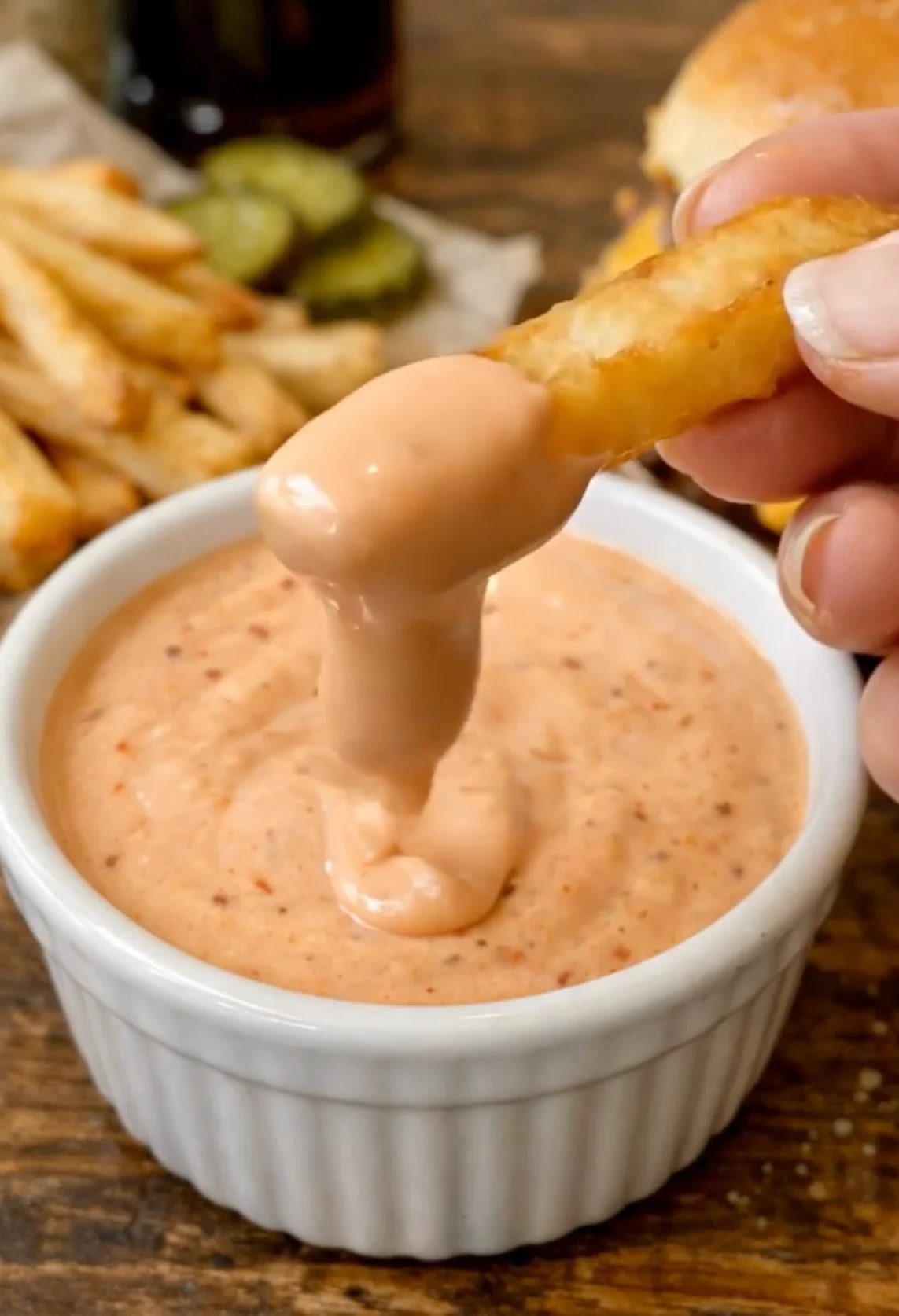
If you want something with a bit more personality, comeback sauce is a fantastic option. It’s slightly sweet, a little tangy, and packed with flavor—almost like a more complex version of burger sauce. It pairs incredibly well with the peppers’ natural acidity.
For those who enjoy bold flavors, try a spicy mayo or chipotle sauce. The smokiness and heat add another layer of depth, turning a simple snack into something more memorable.
What to Serve Alongside
Fried banana peppers shine as a side dish or appetizer, but they can easily be part of a larger meal. They pair especially well with burgers, sandwiches, and grilled foods, acting almost like a more exciting alternative to fries.
If you want to balance things out, serve them with something fresh like a side salad or coleslaw. The crisp, cool textures complement the warmth and crunch of the peppers beautifully.
They also work great as party food. Set them out with a few dipping sauces, and you’ve got a crowd-pleasing snack that disappears quickly.
Storage and Reheating Tips
Keeping Them Fresh
Fried banana peppers are best enjoyed fresh, but if you have leftovers, storing them properly can help maintain their quality. Let them cool completely before placing them in an airtight container. This prevents condensation, which can make them soggy.
Store them in the refrigerator and aim to eat them within 1–2 days. While they’ll still taste good, the texture is what tends to suffer over time.
Reheating Without Losing Crunch
To bring back that crispiness, skip the microwave. Instead, use an oven or air fryer. Reheat at around 375°F (190°C) for a few minutes until they’re hot and crispy again.
The air fryer works especially well because it circulates hot air evenly, helping restore that golden crunch without adding extra oil.
Common Mistakes to Avoid
One of the most common mistakes is not drying the peppers thoroughly, which leads to uneven coating. Another is overcrowding the pan, which lowers the oil temperature and results in soggy peppers. Skipping proper draining is another issue—without a wire rack, the coating can lose its crispiness quickly.
Paying attention to these small details can make a huge difference in your final result.
Conclusion
Fried banana peppers prove that sometimes the simplest recipes deliver the biggest impact. With just a handful of ingredients and a quick cooking process, you get a snack that’s crispy, tangy, and incredibly satisfying. They bring a fresh twist to the world of fried foods, offering a lighter, more dynamic alternative to traditional sides like onion rings.
What really makes them stand out is their versatility. Whether you keep them classic or experiment with bold flavors, they adapt easily and always deliver. Once you try them, it’s hard not to keep coming back for more.
FAQs
1. Can I use fresh banana peppers instead of pickled?
Yes, but the flavor will be less tangy. Pickled peppers provide that signature taste.
2. What oil is best for frying?
Canola oil, vegetable oil, or peanut oil work best due to their high smoke points.
3. Can I make these gluten-free?
Yes, simply use a gluten-free flour blend as a substitute.
4. Why is my coating falling off?
This usually happens if the peppers aren’t dried properly before coating.
5. Can I prepare these ahead of time?
They’re best served fresh, but you can prep and coat them in advance, then fry just before serving.