
Why Lemon Blueberry Cheesecake Is So Popular
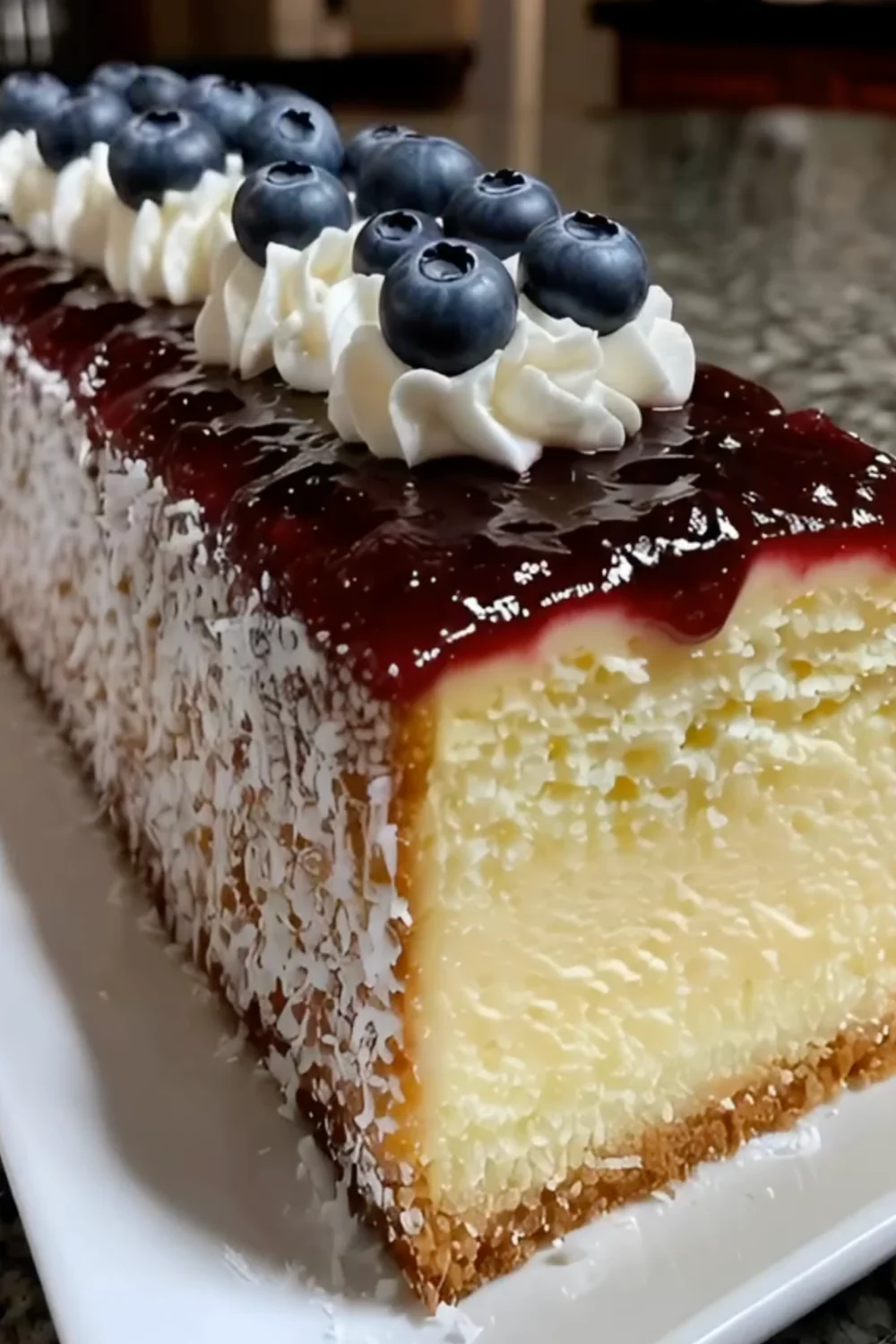
There’s something about lemon blueberry cheesecake that just feels right the moment you take a bite. It’s rich without being heavy, sweet without being overwhelming, and bright enough to keep you coming back for another forkful. If classic cheesecake sometimes feels too dense or overly indulgent, this version fixes that with a burst of citrus and juicy berries that lighten everything up.
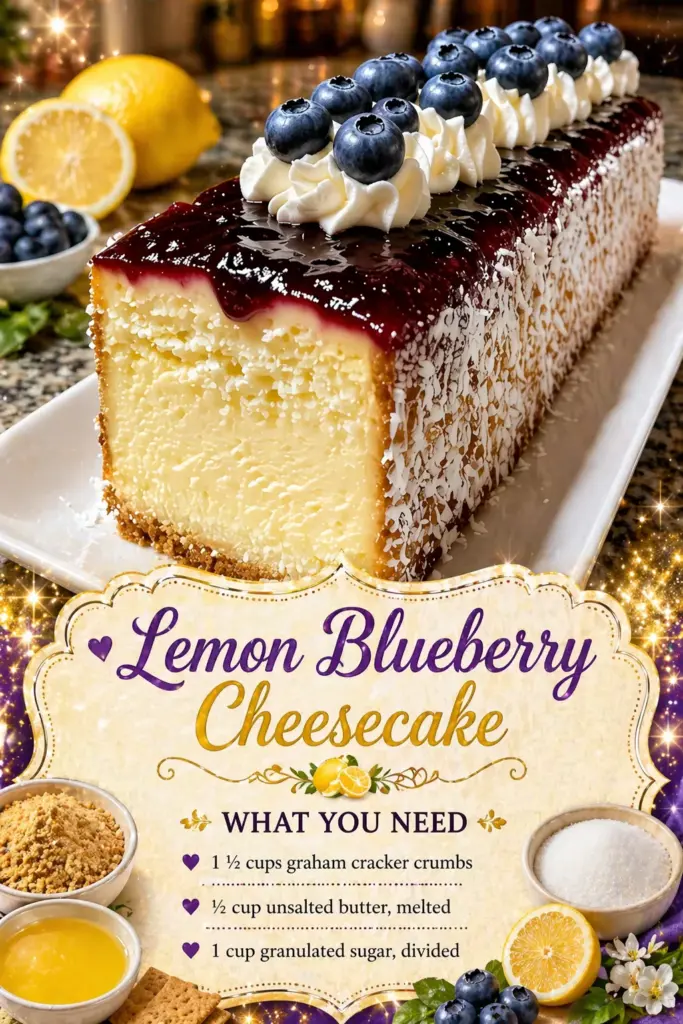
What really makes this dessert stand out is its balance. The creamy base gives you that classic cheesecake comfort, while the lemon juice and zest cut through the richness with a fresh, tangy kick. Then come the blueberries—small, juicy pops of sweetness that add both flavor and texture. It’s like each component is playing a role, and together they create something that feels complete rather than one-dimensional.
Another reason this cheesecake is so popular is its versatility. It works just as well at a summer gathering as it does during the holidays. It looks elegant enough for special occasions but is simple enough to make at home without feeling overwhelmed. And let’s be honest—it’s one of those desserts that looks just as good as it tastes, especially with that natural contrast between creamy filling and vibrant blueberries.
The Perfect Balance of Sweet and Tangy
Balancing flavors in dessert can be tricky, but this recipe nails it. The granulated sugar provides sweetness, but it doesn’t dominate. Instead, the lemon juice and zest step in to create contrast. That slight tartness prevents the cheesecake from feeling too rich, making each bite feel lighter than you’d expect.
This balance is what keeps people hooked. It’s the difference between a dessert you enjoy and one you crave.
A Dessert for Every Occasion
Whether it’s a birthday, a dinner party, or just a weekend baking project, lemon blueberry cheesecake fits right in. Its refreshing flavor makes it especially popular during warmer months, but it’s not limited to any season.
It’s also a great make-ahead dessert, which makes it practical for hosting. You can prepare it the day before, let it chill overnight, and serve it when needed—no last-minute stress involved.
Ingredients Breakdown and Their Roles
Understanding your ingredients is what takes your cheesecake from good to exceptional. Each element contributes to texture, flavor, and structure in a specific way.
Building the Perfect Graham Cracker Crust
The crust is more than just a base—it’s the foundation of the entire dessert. Graham cracker crumbs and melted butter create that classic slightly sweet, slightly crunchy layer that contrasts beautifully with the creamy filling.
The key is achieving the right texture. You want the mixture to resemble wet sand so it presses firmly into the pan without crumbling later. Baking it briefly helps set the crust, giving it stability when the filling is added.
The Creamy Cheesecake Filling Explained
The filling is where the magic happens. Cream cheese provides richness and structure, while sour cream adds a subtle tang and smoothness. The eggs act as a binding agent, helping the cheesecake set properly during baking.
Mixing technique matters here. Overmixing can incorporate too much air, leading to cracks, while undermixing can leave lumps. The goal is a smooth, cohesive batter.
The Role of Lemon and Blueberries
Lemon is the flavor enhancer in this recipe. Both the juice and zest are important—the juice adds acidity, while the zest brings concentrated citrus aroma. Blueberries, on the other hand, add bursts of natural sweetness and a bit of texture.
Together, they create a dynamic flavor profile that keeps the cheesecake from feeling too heavy.
Essential Tools for Cheesecake Success
You don’t need a professional kitchen, but having the right tools makes the process smoother.
Must-Have Baking Equipment
A springform pan is essential for easy removal and clean presentation. A hand or stand mixer ensures a smooth filling, while mixing bowls and spatulas help with preparation.
Optional Tools for Professional Results
A water bath setup can help prevent cracks and ensure even baking. While optional, it’s a technique often used by professional bakers for flawless results.
Step-by-Step Lemon Blueberry Cheesecake Recipe
Preparing the Crust
Mix graham cracker crumbs with melted butter until evenly coated. Press firmly into the pan and bake for 10 minutes. This step ensures a stable base that won’t crumble when sliced.
Making the Cheesecake Filling
Beat cream cheese until smooth, then gradually add sugar. Incorporate eggs one at a time, followed by sour cream, lemon juice, zest, and vanilla. Fold in blueberries gently to avoid breaking them.
Baking and Cooling the Cheesecake
Bake until the edges are set and the center slightly jiggles. Turn off the oven and let it cool धीरे to prevent cracks. Then refrigerate for several hours to fully set.
Pro Tips for a Perfect Cheesecake Texture
Making a cheesecake that’s rich yet light, creamy yet structured—it’s a bit of a balancing act. The good news? Once you understand a few core techniques, achieving that silky, bakery-style lemon blueberry cheesecake becomes much more predictable. It’s not about perfection; it’s about control.
Avoiding Cracks and Overbaking
Cracks are probably the most common frustration when baking cheesecake. You pull it out of the oven, and instead of a smooth, flawless top, you see splits forming across the surface. It’s not the end of the world—it still tastes amazing—but visually, it can feel like something went wrong.
The main culprit is overbaking or sudden temperature changes. Cheesecake continues to cook slightly even after you turn off the oven, so pulling it out too late can dry it out. You’re looking for a center that still has a slight jiggle—think gelatin, not liquid. That jiggle means it will set perfectly as it cools.
Another helpful trick is the gradual cooling process. Leaving the cheesecake in the oven with the door slightly open allows the temperature to drop slowly, preventing shock. Sudden temperature shifts cause the cake to contract quickly, which leads to cracks.
If you want to go a step further, a water bath (bain-marie) can help regulate heat and keep the baking environment moist. It sounds fancy, but it’s really just placing your cheesecake pan in a larger pan filled with hot water. This creates gentle, even heat and reduces the risk of cracking significantly.
Achieving a Silky Smooth Consistency
Texture is everything in cheesecake. You’re aiming for something that feels creamy and smooth on the tongue—not dense, not grainy, and definitely not dry. That starts with how you mix your ingredients.
Always begin with room-temperature cream cheese. Cold cream cheese doesn’t blend well and often leaves lumps that are hard to fix later. Beat it until completely smooth before adding anything else. This step sets the tone for the entire batter.
When adding eggs, mix on low speed and only until just combined. Overmixing introduces too much air, which can cause the cheesecake to puff up during baking and then collapse as it cools. That collapse often leads to cracks or a dense texture.
Finally, don’t rush the chilling process. Letting the cheesecake set in the refrigerator for at least 4 hours—preferably overnight—allows the flavors to develop and the texture to firm up properly. It’s the difference between a good cheesecake and one that feels professionally made.
Common Mistakes and How to Fix Them
Even experienced bakers run into cheesecake issues from time to time. The key is knowing what went wrong and how to adjust next time—or even fix it on the spot.
Dense or Lumpy Cheesecake
A dense cheesecake usually comes down to overmixing or ingredient temperature. If the batter has too much air, it can bake unevenly and lose that creamy consistency. On the flip side, if ingredients aren’t fully incorporated, you’ll end up with lumps.
The fix starts before baking. Make sure all ingredients are at room temperature and mix just until combined. If you notice lumps early, keep mixing gently until smooth—but don’t overdo it once the eggs are added.
Watery or Soggy Base
A soggy crust can ruin the entire experience. This often happens when moisture seeps into the crust, either from the filling or from improper baking techniques like a leaking water bath.
To prevent this, always pre-bake your crust and let it cool before adding the filling. If using a water bath, wrap the bottom of your springform pan tightly with foil to keep water out.
If your crust still turns out soft, you can salvage the cheesecake by chilling it longer. While it won’t restore full crunch, it will firm up enough to improve the texture.
Variations and Flavor Enhancements
Once you’ve mastered the classic version, you can start experimenting. This recipe is incredibly flexible, and small changes can create entirely new flavor experiences.
No-Bake Lemon Blueberry Cheesecake
If you’re not in the mood to turn on the oven, a no-bake version is a great alternative. Instead of eggs, you’ll use whipped cream or gelatin to help the cheesecake set.
The texture will be lighter and more mousse-like compared to baked cheesecake, but the flavor remains just as vibrant. It’s perfect for hot days when you want something refreshing without the extra heat in the kitchen.
Gluten-Free and Healthier Options
For a gluten-free version, simply swap the graham crackers for gluten-free alternatives. The rest of the recipe remains largely the same.
If you’re looking to make it a bit lighter, you can experiment with reduced-fat cream cheese or less sugar. Just keep in mind that these changes can affect texture and flavor slightly. It’s all about finding the balance that works for you.
Serving Suggestions and Presentation Ideas
How you serve your cheesecake can completely change how it’s perceived. Even simple touches can make it feel more special and thoughtfully prepared.
Garnishing Like a Pro
A handful of fresh blueberries on top instantly adds color and freshness. You can also add a light dusting of powdered sugar or a drizzle of lemon glaze for extra visual appeal.
For a more elevated presentation, consider adding thin slices of lemon zest or a small dollop of whipped cream. These small details don’t take much effort, but they make the dessert feel polished and complete.
Serving slices cleanly is another detail that matters. Use a sharp knife dipped in warm water and wiped clean between cuts. This helps you achieve those smooth, bakery-style slices that look as good as they taste.
Storage, Shelf Life, and Make-Ahead Tips
Cheesecake is one of those desserts that actually gets better with time—up to a point. Proper storage ensures it stays fresh and maintains its texture.
Refrigeration and Freezing Guidelines
Store your cheesecake in the refrigerator, covered, for up to 4–5 days. Keeping it airtight prevents it from absorbing other odors and helps maintain its flavor.
If you need to store it longer, freezing is an option. Wrap individual slices tightly in plastic wrap and place them in an airtight container. Cheesecake can be frozen for up to a month without major quality loss.
When ready to eat, thaw it in the refrigerator overnight. This slow thawing process helps preserve the texture.
Conclusion
Lemon blueberry cheesecake is one of those desserts that manages to feel both indulgent and refreshing at the same time. It brings together creamy richness, bright citrus, and bursts of juicy berries in a way that feels balanced and satisfying rather than overwhelming.
What makes it truly special is how approachable it is. Even though it looks like something you’d find in a bakery display case, it’s completely achievable at home with a bit of patience and attention to detail. And once you’ve made it once, it becomes a recipe you can return to again and again—tweaking, improving, and making it your own.
Whether you’re serving it for a special occasion or just because you’re craving something homemade, this cheesecake delivers every time.
FAQs
1. Can I use frozen blueberries instead of fresh?
Yes, but don’t thaw them before adding to the batter to prevent excess moisture and color bleeding.
2. Do I have to use a water bath?
No, but it helps prevent cracks and ensures even baking. It’s recommended for best results.
3. How do I know when the cheesecake is done?
The edges should be set, and the center should have a slight jiggle when gently shaken.
4. Can I make this cheesecake ahead of time?
Yes, it’s actually better when made a day in advance to allow flavors to develop.
5. What’s the best way to slice cheesecake cleanly?
Use a warm knife, wipe it clean between cuts, and slice slowly for neat edges.
Print
Lemon Blueberry Cheesecake
Description
There’s something about lemon blueberry cheesecake that just feels right the moment you take a bite. It’s rich without being heavy, sweet without being overwhelming, and bright enough to keep you coming back for another forkful. If classic cheesecake sometimes feels too dense or overly indulgent, this version fixes that with a burst of citrus and juicy berries that lighten everything up.
Ingredients
– 1 ½ cups graham cracker crumbs
– ½ cup unsalted butter, melted
– 1 cup granulated sugar, divided
– 3 (8-ounce) packages cream cheese, softened
– 3 large eggs
– 1 cup sour cream
– 2 tablespoons lemon juice
– Zest of 1 lemon
– 1 teaspoon vanilla extract
– 1 cup fresh blueberries (plus extra for garnish)
– ¼ cup all-purpose flour (optional, for thicker consistency)
Instructions
1. Preheat your oven to 325°F (163°C).
2. In a medium bowl, combine the graham cracker crumbs and melted butter. Mix until the crumbs are evenly coated and have a sandy texture.
3. Press the mixture firmly into the bottom of a 9-inch springform pan to form the crust. Bake for 10 minutes, then remove from the oven and let cool.
4. In a large mixing bowl, beat the softened cream cheese with an electric mixer until smooth and creamy.
5. Gradually add ¾ cup of granulated sugar to the cream cheese, mixing well until combined.
6. Add the eggs, one at a time, mixing on low speed after each addition until just blended.
7. Mix in the sour cream, lemon juice, lemon zest, and vanilla extract until smooth. If using, add the flour and mix until incorporated.
8. Gently fold in the fresh blueberries, being careful not to crush them.
9. Pour the cream cheese mixture over the cooled crust in the springform pan, smoothing the top with a spatula.
10. Bake the cheesecake in the preheated oven for 55-60 minutes, or until the edges are set and the center is slightly jiggly.
11. Turn off the oven and leave the cheesecake inside with the door slightly ajar for 1 hour to cool gradually.
12. Remove the cheesecake from the oven and let it cool completely at room temperature.
13. Once cooled, cover the cheesecake with plastic wrap and refrigerate for at least 4 hours or overnight for the best flavor.
14. Before serving, garnish with additional fresh blueberries and a dusting of powdered sugar, if desired.
Enjoy your delicious Lemon Blueberry Cheesecake!