
Why Strawberry Buttercream Is a Game-Changer for Desserts
Strawberry buttercream isn’t just another frosting—it’s the kind of upgrade that turns an ordinary dessert into something people actually remember. You know how some frostings are just sweet and kind of… there? This one brings personality. It’s creamy, fruity, slightly tangy, and perfectly balanced in a way that makes every bite feel intentional rather than overwhelming. Once you try it, it’s honestly hard to go back to plain vanilla.
What really sets strawberry buttercream icing apart is its versatility. It works beautifully across different types of desserts, whether you’re frosting a birthday cake, piping onto cupcakes, or even spreading it between cookies. And unlike artificial strawberry frostings that taste overly sugary or fake, using real strawberry puree gives it that authentic, fresh-from-the-garden flavor that hits differently.
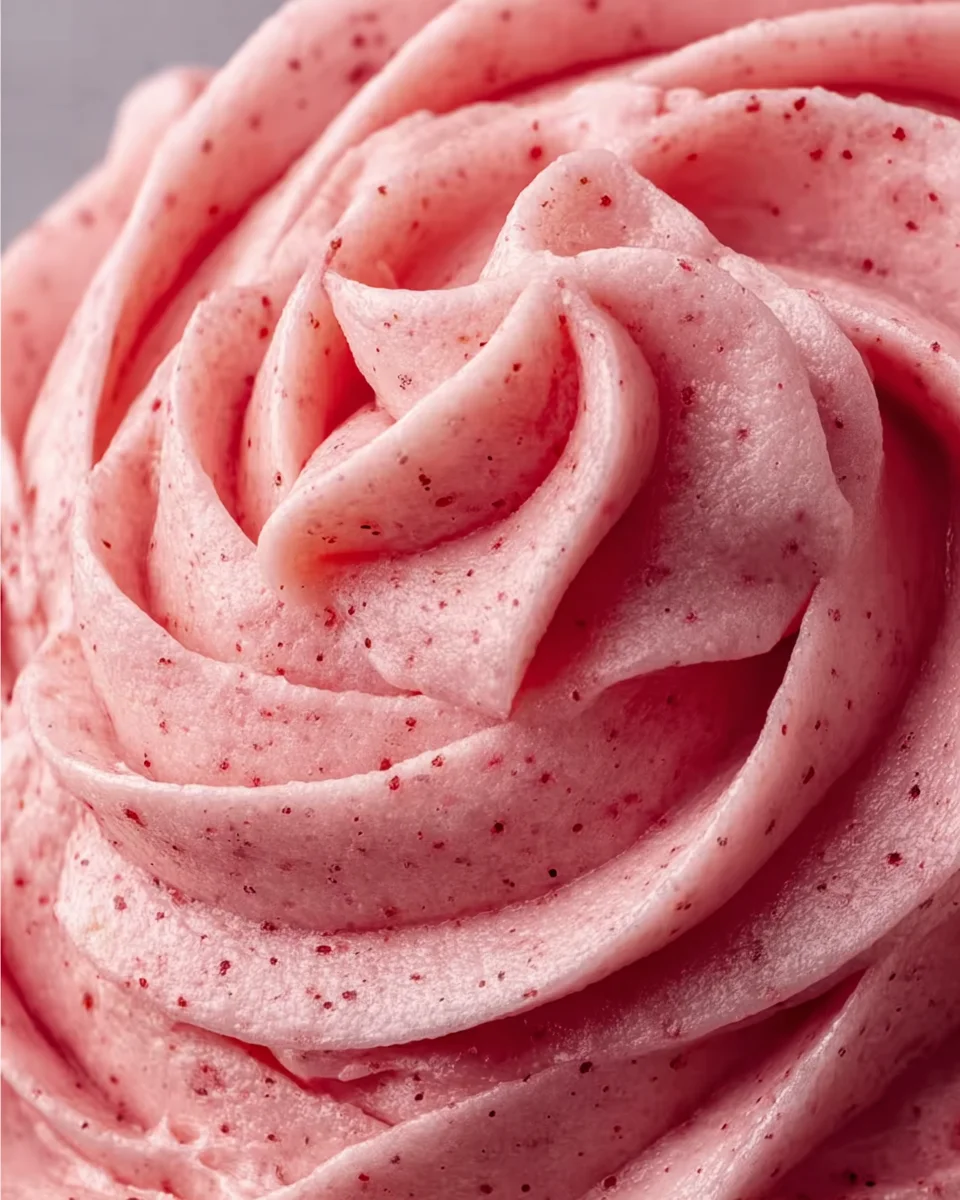
Another thing worth mentioning is the visual appeal. That soft pink hue? It’s naturally inviting. You don’t need food coloring if you’re using real strawberries, and the result looks both elegant and homemade at the same time. It’s the kind of frosting that makes people pause before digging in—just long enough to admire it.
From a practical standpoint, this recipe is surprisingly beginner-friendly. Even if you’ve never made buttercream before, you’ll find that the process is forgiving as long as you follow a few key principles. It doesn’t require fancy techniques or complicated ingredients, which makes it perfect for both casual bakers and those looking to level up their dessert game.
The Appeal of Fresh Strawberry Flavor
There’s something universally comforting about strawberries. Maybe it’s because they strike that perfect balance between sweet and slightly tart, or maybe it’s because they remind us of summer, picnics, and homemade treats. When you incorporate fresh strawberry puree into buttercream, you’re not just adding flavor—you’re adding character.
Fresh strawberries bring a brightness that cuts through the richness of butter and sugar. Without that contrast, buttercream can feel heavy. But with strawberries in the mix, everything feels lighter, fresher, and more balanced. It’s like adding a squeeze of lemon to a dish—it wakes everything up.
Another advantage of using real strawberries is the aroma. Artificial flavorings can mimic taste, but they rarely capture that subtle, fragrant quality that fresh fruit provides. When you whip up this buttercream, you’ll notice it immediately—the smell alone is enough to make you want to grab a spoon.
From a nutritional perspective, while this is still a dessert, using real fruit does add a small boost of vitamins and antioxidants. According to USDA data, strawberries are rich in vitamin C and beneficial plant compounds. Of course, you’re not eating frosting for health reasons, but it’s a nice bonus knowing there’s something real in there.
When to Use Strawberry Buttercream
So when exactly should you use strawberry buttercream? The short answer: whenever you want your dessert to stand out. But let’s get a bit more specific, because pairing matters more than you might think.
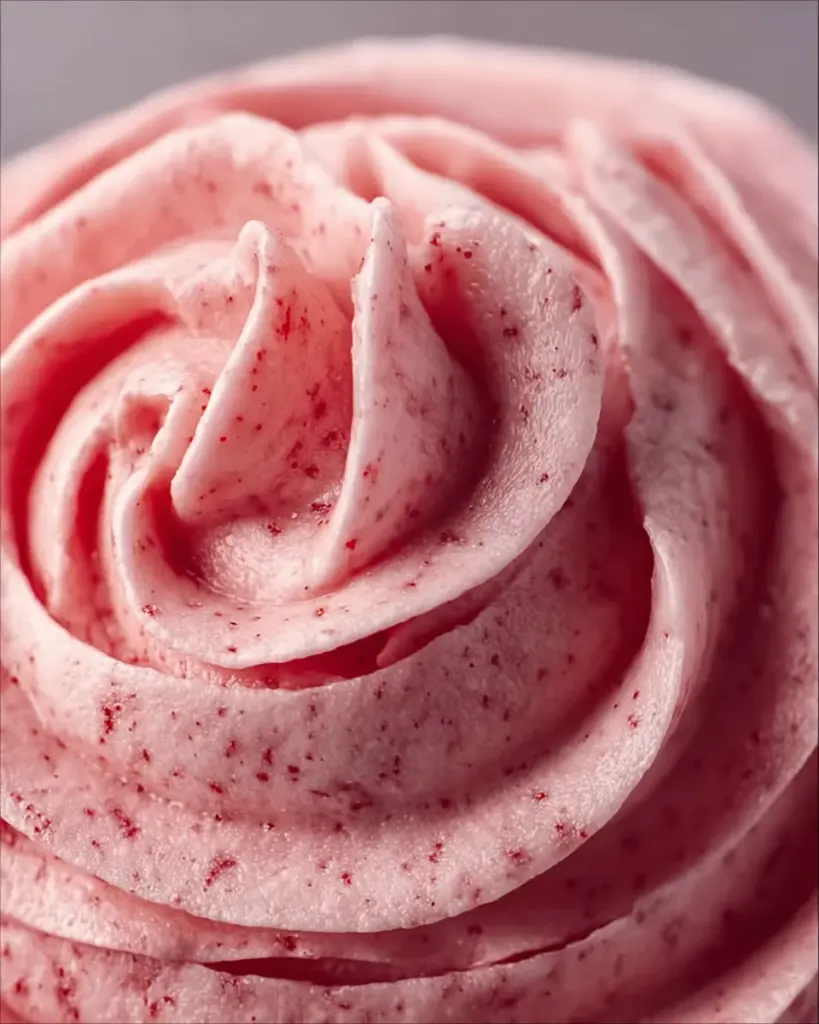
This frosting shines brightest when paired with neutral or complementary flavors. Think vanilla sponge cakes, chocolate cupcakes, lemon cakes, or even shortbread cookies. The strawberry flavor acts as a highlight rather than competing with the base, which creates a more balanced and enjoyable bite.
It’s also perfect for special occasions. Birthdays, baby showers, Valentine’s Day, or spring gatherings—it fits right in. The natural pink color makes it especially popular for themed desserts, and it photographs beautifully if you’re sharing your creations online.
But honestly, you don’t need a special occasion. Sometimes, making a batch of homemade strawberry buttercream icing is just about treating yourself or your family to something a little extra. And once you realize how easy and adaptable it is, you might find yourself making it more often than you expected.
Ingredients Breakdown: What Makes This Recipe Work
A great frosting always starts with great ingredients, and strawberry buttercream is no exception. While the ingredient list looks simple at first glance, each component plays a specific role in creating that smooth, fluffy, and flavorful finish. Understanding how these ingredients work together gives you way more control over the final result—and helps you fix things if they don’t go as planned.
Let’s start with the base: unsalted butter. This is where the magic begins. Butter provides structure, richness, and that signature creamy texture we associate with buttercream. Using unsalted butter gives you more control over the flavor, allowing you to add just a pinch of salt later to balance the sweetness. It’s a small detail, but it makes a noticeable difference.
Next comes the powdered sugar, which does more than just sweeten. It also helps stabilize the buttercream and gives it that smooth, pipeable consistency. Because it’s finely ground and usually contains a bit of cornstarch, it blends seamlessly into the butter without leaving a gritty texture—assuming you sift it properly.
Then we have the star ingredient: strawberry puree. This is where your frosting gets its flavor, color, and personality. Whether you use fresh or frozen strawberries, blending them into a smooth puree ensures even distribution throughout the buttercream. The key is to avoid adding too much liquid, which can throw off the consistency.
Vanilla extract might seem like a background player, but it actually enhances the strawberry flavor rather than competing with it. Think of it as a flavor amplifier—it rounds everything out and adds depth.
Finally, heavy cream or milk helps adjust the texture. If your buttercream is too thick, a small splash can make it smoother and easier to spread or pipe. And that pinch of salt? It’s the secret weapon that keeps the sweetness in check.
Choosing the Right Butter
Not all butter is created equal, and this is one area where quality really matters. You want to use high-quality unsalted butter with a fat content of around 80% or higher. Why? Because higher fat content means better texture and flavor.
The butter should be softened, but not melted. Ideally, it should be at room temperature—soft enough to press with your finger, but still holding its shape. If it’s too cold, it won’t whip properly. Too warm, and your buttercream can become greasy or runny.
Fresh vs Frozen Strawberries
Both fresh and frozen strawberries can work well, but there are a few differences to keep in mind. Fresh strawberries tend to have a brighter flavor, especially when they’re in season. Frozen strawberries, on the other hand, are picked at peak ripeness and can be just as flavorful once thawed.
If you’re using frozen strawberries, make sure to thaw and drain them first to remove excess water. Too much liquid can make your buttercream loose and difficult to work with.
The Role of Powdered Sugar and Cream
Getting the right balance between powdered sugar and cream is what determines your buttercream’s consistency. Too much sugar, and it becomes stiff and overly sweet. Too much liquid, and it turns runny.
The goal is to achieve a texture that’s smooth, fluffy, and easy to spread or pipe. This usually means adding liquid gradually and paying attention to how the mixture changes with each addition.
Essential Tools You’ll Need
Before diving into the mixing process, it helps to have the right tools on hand. While strawberry buttercream icing doesn’t require anything overly fancy, using proper equipment can make the difference between a smooth, fluffy frosting and one that feels uneven or frustrating to work with. Think of it like cooking with a dull knife—it’s technically possible, but not ideal.
At the center of everything is a good mixing setup. A stand mixer with a paddle attachment is the gold standard because it allows for consistent mixing without tiring your arms. If you don’t have one, a hand mixer works just as well—it might just take a little longer to achieve that airy texture. What matters most is that you can beat the butter thoroughly to incorporate air, which is what gives buttercream its signature fluffiness.
You’ll also need a large mixing bowl, preferably deep enough to prevent powdered sugar from flying everywhere when you start mixing. Anyone who has skipped this detail knows the struggle of cleaning sugar dust off the counter. A fine mesh sieve is another underrated tool—it ensures your powdered sugar is lump-free, which directly affects the smoothness of your frosting.
Measuring tools are equally important. Precision matters more than people think in baking, especially when dealing with consistency. Using proper measuring cups and spoons helps you maintain the right balance between butter, sugar, and liquid. Even a slight imbalance can shift the texture from perfect to problematic.
Mixing Equipment
When it comes to mixing, speed control is everything. Start slow when incorporating powdered sugar to avoid a mess, then gradually increase speed to whip air into the buttercream. This transition is key—it’s what transforms a dense mixture into something light and spreadable.
If you’re using a stand mixer, the paddle attachment is ideal for buttercream because it blends without over-aerating too quickly. A whisk attachment can be used at the end for extra fluffiness, but it’s not necessary. With a hand mixer, just make sure to move it evenly around the bowl so everything mixes consistently.
Optional Tools for Professional Results
If you want that bakery-style finish, a few extra tools can elevate your results. A rubber spatula is essential for scraping down the sides of the bowl, ensuring no unmixed butter or sugar is left behind. This step might seem small, but it guarantees a uniform texture.
For decorating, piping bags and tips open up a whole new world. Whether you’re going for elegant swirls or intricate designs, strawberry buttercream holds its shape beautifully when piped correctly. A simple round or star tip is more than enough to get started.
And if you’re aiming for ultra-smooth frosting on cakes, a bench scraper or offset spatula can help you achieve clean, professional edges. It’s one of those tools you don’t realize you need until you try it—and then you never go back.
Step-by-Step Instructions for Perfect Strawberry Buttercream
Now comes the part where everything comes together. Making homemade strawberry buttercream icing isn’t complicated, but the order and method matter more than you might expect. Each step builds on the previous one, so rushing through can lead to texture issues or uneven flavor.
Start by placing your softened butter into a large bowl. Beat it on medium speed until it becomes pale and fluffy. This usually takes about 2–3 minutes, but don’t rush it. You’re essentially creating the base structure of your frosting here, and properly whipped butter makes all the difference. It should look lighter in color and slightly increased in volume.
Next, begin adding the sifted powdered sugar gradually. This is where patience pays off. Add it in small batches, mixing well after each addition. If you dump it all in at once, you’ll end up with a powdery mess and uneven mixing. As you incorporate the sugar, you’ll notice the mixture becoming thicker and more structured.
Once the sugar is fully mixed in, it’s time to add the flavor. Pour in your strawberry puree along with the vanilla extract. Beat the mixture until it becomes smooth and creamy. At this stage, the frosting will take on its signature pink color and fruity aroma—it’s honestly one of the most satisfying parts of the process.
Preparing the Butter Base
Getting the butter right is half the battle. If your butter isn’t properly softened, it won’t whip correctly, and you’ll end up with a dense or lumpy frosting. On the flip side, overly soft or melted butter can make the mixture greasy.
The goal is a creamy, spreadable consistency before adding anything else. Think of it like building a foundation—if it’s solid, everything else falls into place more easily.
Incorporating Sugar and Flavor
As you mix in the powdered sugar and strawberry puree, keep an eye on texture. You want everything to blend smoothly without curdling or separating. If it starts to look uneven, don’t panic—just keep mixing. Buttercream is surprisingly forgiving.
The vanilla extract enhances the overall flavor, making the strawberry taste more rounded and less sharp. It’s a subtle addition, but it ties everything together.
Adjusting Texture and Consistency
Finally, add heavy cream or milk one tablespoon at a time until you reach your desired consistency. If you’re spreading the frosting, you’ll want it slightly softer. For piping, a thicker consistency works better.
Add a pinch of salt to balance the sweetness, then beat the mixture for another 1–2 minutes. This final whipping step incorporates extra air, giving you that light, fluffy finish that makes buttercream so irresistible.
Pro Tips to Make Your Buttercream Extra Fluffy
If you’ve ever wondered why bakery frosting feels lighter and smoother than homemade versions, the secret usually comes down to technique rather than ingredients. A few small adjustments can take your strawberry buttercream icing from good to exceptional.
Temperature Matters
Everything works best when your ingredients are at the right temperature. Butter should be soft but not warm, and your strawberry puree should be at room temperature. Cold ingredients can cause the butter to seize, while warm ones can make the frosting too loose.
Maintaining this balance helps the ingredients emulsify properly, resulting in a smoother texture.
Beating Techniques Explained
The way you beat your buttercream directly affects its final texture. Start slow to combine ingredients, then increase speed to incorporate air. This creates a lighter, more voluminous frosting.
Don’t skip the final whipping stage. That extra minute or two can transform the texture completely, making it noticeably fluffier and easier to spread.
Common Mistakes and How to Avoid Them
Even simple recipes can go sideways if you miss a detail. The good news? Most buttercream issues are fixable once you understand what went wrong.
Runny Buttercream Issues
If your buttercream turns out too thin, it’s usually because of too much liquid or overly soft butter. The fix is simple: add more powdered sugar gradually until it thickens.
Chilling the frosting for a short time can also help it firm up without affecting flavor.
Overly Sweet or Grainy Texture
Too much sugar can make the frosting overly sweet, while unsifted sugar can create a grainy texture. Always sift your powdered sugar and taste as you go.
Adding a pinch of salt or a bit more strawberry puree can help balance excessive sweetness.
Variations and Flavor Twists
Once you’ve mastered the classic strawberry buttercream icing recipe, it opens the door to all kinds of creative variations. This is where things get fun, because you’re no longer just following a recipe—you’re adapting it to suit your taste, dietary needs, or even the vibe of a specific dessert. Think of the base buttercream as your canvas, and every tweak you make as a new brushstroke that changes the final picture.
One popular twist is adjusting the intensity of the strawberry flavor. If you want something bold and punchy, you can reduce your strawberry puree on the stovetop before adding it. This concentrates the flavor while reducing excess water, giving you a richer taste without compromising the texture. On the other hand, if you prefer a more subtle hint of strawberry, simply use a smaller amount of puree and let the vanilla shine through more prominently.
Texture can also be customized. Some people love a super silky finish, while others prefer a slightly thicker, more structured frosting for piping intricate designs. By tweaking the ratio of cream and powdered sugar, you can dial in exactly what you need. It’s kind of like adjusting the volume on your favorite song—you’re in control.
Strawberry Cream Cheese Frosting
If you’re looking for something tangier and a bit less sweet, strawberry cream cheese frosting is a fantastic variation. By replacing part of the butter with cream cheese, you introduce a slight tang that balances the sweetness beautifully. This version pairs especially well with red velvet cake, carrot cake, or even simple vanilla cupcakes.
The key here is to use full-fat cream cheese and make sure it’s softened to the same consistency as your butter. If the textures don’t match, the frosting can turn lumpy. When done right, though, the result is incredibly smooth with a richer, more complex flavor profile that feels a bit more “grown-up” compared to traditional buttercream.
Vegan and Dairy-Free Alternatives
For those avoiding dairy, you don’t have to miss out on strawberry buttercream. A vegan version can be made using plant-based butter and non-dairy milk like almond, soy, or oat milk. The process remains almost identical, but the flavor and texture may vary slightly depending on the brand you use.
Plant-based butter tends to be softer, so you might need a bit more powdered sugar to achieve the same structure. Still, the end result can be just as creamy and delicious. It’s a great reminder that good frosting isn’t about strict rules—it’s about understanding how ingredients interact and making adjustments accordingly.
Best Desserts to Pair with Strawberry Buttercream
Not all frostings work well with every dessert, but strawberry buttercream is surprisingly versatile. Its fruity brightness and creamy texture make it a natural match for a wide range of baked goods. The trick is to pair it with flavors that either complement or contrast it in a satisfying way.
Vanilla cake is the obvious choice, and for good reason. The neutral base allows the strawberry flavor to take center stage without competition. It’s simple, classic, and always a crowd-pleaser. Chocolate cake, on the other hand, creates a rich contrast. The deep cocoa flavor combined with the light, fruity frosting creates a balance that feels indulgent but not overwhelming.
Lemon cake is another standout pairing. The citrus notes enhance the natural tartness of the strawberries, creating a bright and refreshing combination that’s perfect for spring and summer desserts. It’s the kind of pairing that feels light even when it’s rich—if that makes sense.
Cakes, Cupcakes, and Beyond
Beyond traditional cakes and cupcakes, this buttercream works beautifully in other desserts too. Try it as a filling for sandwich cookies, a topping for brownies, or even a spread on sweet rolls. It can elevate something as simple as a plain sugar cookie into something bakery-worthy.
Here’s a quick comparison of popular pairings:
| Dessert Type | Flavor Match Level | Why It Works |
|---|---|---|
| Vanilla Cake | ⭐⭐⭐⭐⭐ | Neutral base highlights strawberry flavor |
| Chocolate Cake | ⭐⭐⭐⭐ | Rich contrast balances sweetness |
| Lemon Cake | ⭐⭐⭐⭐⭐ | Citrus enhances fruity notes |
| Sugar Cookies | ⭐⭐⭐⭐ | Adds moisture and flavor |
| Brownies | ⭐⭐⭐ | Sweet topping for dense texture |
The beauty of this frosting is that it adapts. Whether you’re going for something elegant or casual, it fits right in without feeling out of place.
Storage, Shelf Life, and Make-Ahead Tips
Making buttercream ahead of time can save you a lot of stress, especially if you’re preparing for an event. The good news is that strawberry buttercream icing stores quite well when handled properly. The key is understanding how temperature affects its texture and stability.
If you plan to use it within a day or two, you can store it in an airtight container in the refrigerator. When you’re ready to use it, let it come back to room temperature and re-whip it briefly to restore its fluffy texture. Straight out of the fridge, it will be too firm to spread or pipe effectively.
For longer storage, freezing is an option. Buttercream can be frozen for up to a month without significant loss of quality. Just make sure it’s sealed היטghtly to prevent freezer burn. When thawing, move it to the refrigerator first, then bring it to room temperature before re-whipping.
Refrigeration and Freezing Tips
One common mistake is skipping the re-whipping step after storage. Buttercream tends to lose some of its airy structure over time, so giving it a quick mix helps bring it back to life. Think of it like fluffing a pillow—it makes everything feel fresh again.
Also, keep in mind that strawberry puree adds moisture, which can slightly shorten the shelf life compared to plain buttercream. Always check for freshness before using, especially if it’s been stored for several days.
Conclusion
Strawberry buttercream icing is one of those recipes that feels both simple and special at the same time. With just a handful of ingredients and a straightforward process, you can create something that completely transforms your desserts. It’s not just about sweetness—it’s about balance, texture, and that fresh burst of flavor that only real strawberries can provide.
What makes this recipe stand out is how adaptable it is. Whether you’re tweaking the flavor, adjusting the texture, or pairing it with different desserts, it gives you room to experiment without losing its core appeal. Once you get comfortable with it, you’ll start to see it less as a recipe and more as a technique you can shape to fit your needs.
And honestly, there’s something satisfying about making your own frosting from scratch. It feels a bit more personal, a bit more intentional—and you can taste the difference in every bite.
FAQs
1. Can I use strawberry jam instead of puree?
Yes, but it will be sweeter and slightly thicker. Reduce the powdered sugar to balance the sweetness.
2. How do I make the color more vibrant naturally?
Use ripe strawberries or reduce the puree to intensify both color and flavor.
3. Why is my buttercream separating?
This usually happens due to temperature imbalance. Keep mixing or adjust temperature slightly to fix it.
4. Can I pipe this buttercream for decorations?
Absolutely. Just ensure it’s thick enough by limiting added liquid.
5. How long can it sit at room temperature?
Up to 1–2 days in a cool environment, but refrigeration is safer for longer storage.
Print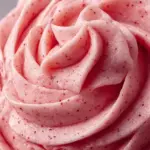
Strawberry Buttercream Icing
Description
What really sets strawberry buttercream icing apart is its versatility. It works beautifully across different types of desserts, whether you’re frosting a birthday cake, piping onto cupcakes, or even spreading it between cookies. And unlike artificial strawberry frostings that taste overly sugary or fake, using real strawberry puree gives it that authentic, fresh-from-the-garden flavor that hits differently.
Ingredients
1 cup unsalted butter, softened
3 ½ cups powdered sugar, sifted
¼ cup strawberry puree (fresh or frozen strawberries, blended)
1 teaspoon vanilla extract
1–2 tablespoons heavy cream or milk
Pinch of salt
Instructions
In a large bowl, beat the softened butter until light, pale, and fluffy.
Gradually add the powdered sugar, mixing well after each addition.
Add the strawberry puree and vanilla extract, then beat until smooth and creamy.
Add heavy cream or milk one tablespoon at a time until the desired consistency is reached.
Add a pinch of salt to balance the sweetness.
Beat for an additional 1–2 minutes until airy and spreadable.
Use immediately or store covered in the refrigerator until ready to use.
Notes
Start with less liquid and add gradually to avoid runny frosting.
Sift powdered sugar for the smoothest texture.
Re-whip after refrigeration to restore fluffiness.
Frozen strawberries work just as well as fresh.